
Brazil after Victory: Reflections on the Victory of the Brazilian People on 25 October
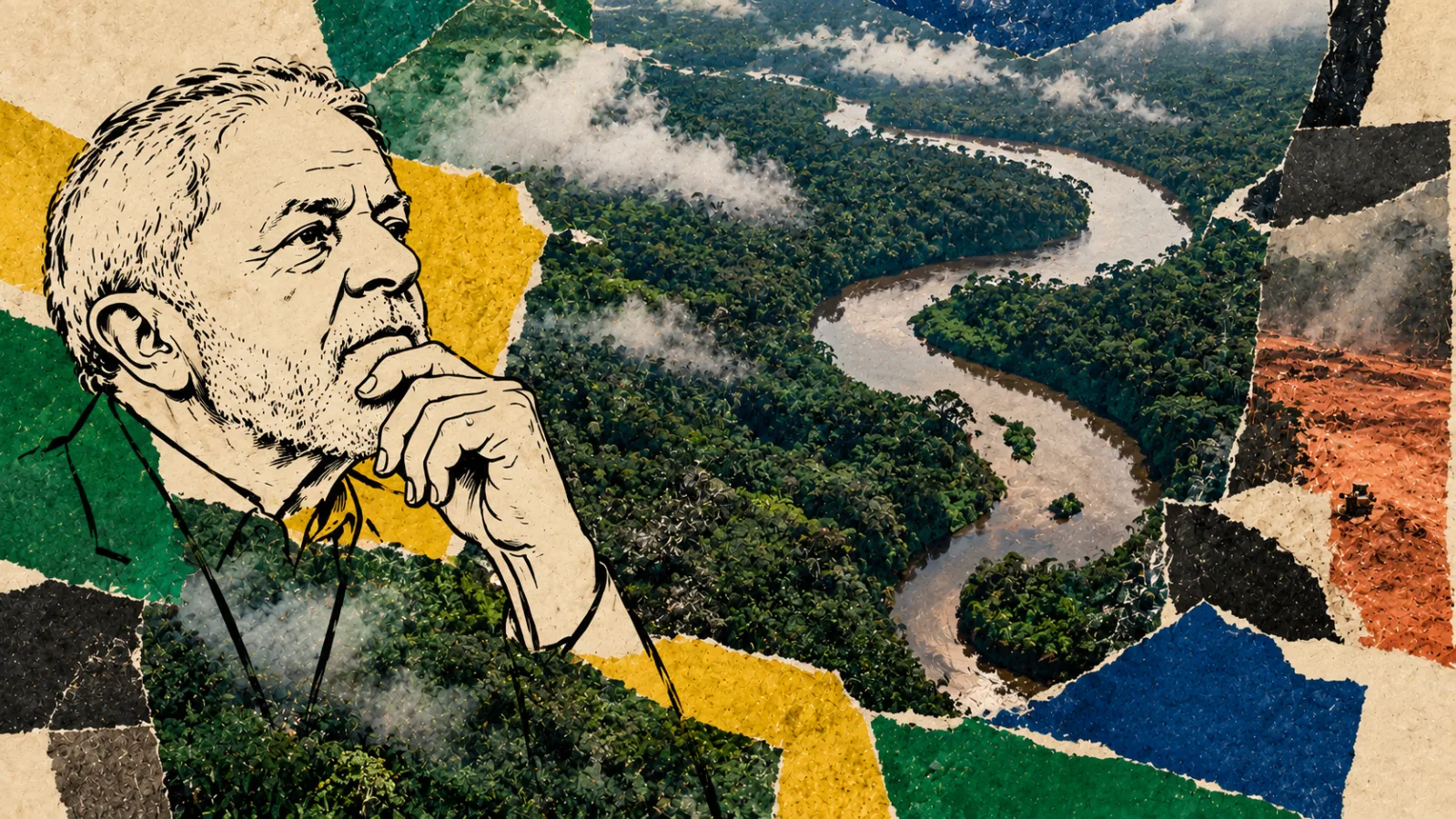
Writing the day after Lula’s victory, Winnie Overbeek reflects on the three weeks of mobilisation that transformed Brazil’s runoff election. Youth-led street protests, the rapid growth of the “Lula Army” on WhatsApp, alternative media investigations and renewed face-to-face political organising helped build a broad anti-Bolsonaro front. For Overbeek, the result revealed political energy extending beyond the Workers’ Party itself. The central question now is whether Lula will govern in response to that mobilisation or return to accommodation with Brazil’s elites.
Brazil after Victory
Much needs to be discussed and reflected upon to better understand what happened in the three weeks leading to Brazil’s run-off election on October 25, which witnessed an unprecedented political turnover considered impossible by many. Thanks to the storm generated by the public mobilisation in the three weeks to the run-off election, Luiz Inacio Lula da Silva defeated far-right rival Flavio Bolsonaro, son of former Brazilian president Jair Bolsonaro. Lula won 51.8% of the votes against Flavio Bolsonaro’s 48.2%, despite the polls indicating an easy win for Bolsonaro Jr.
Lula’s historic victory taught us some important lessons.
The day after Lula’s unexpected loss in the first round of the presidential election, when the Brazilian people felt Bolsonaro Jr. could win the second round too, students in Rio de Janeiro spontaneously took to the streets. The fact that people took to the streets in Rio, a city where Bolsonaro Jr. is known to have strong ties with the milicia (militia), which are controlled by powerful individuals and comprise corrupt, violent police personnel who terrorise neighbourhoods and sell people “security” services to supposedly “protect” them from drug-trafficking gangs.
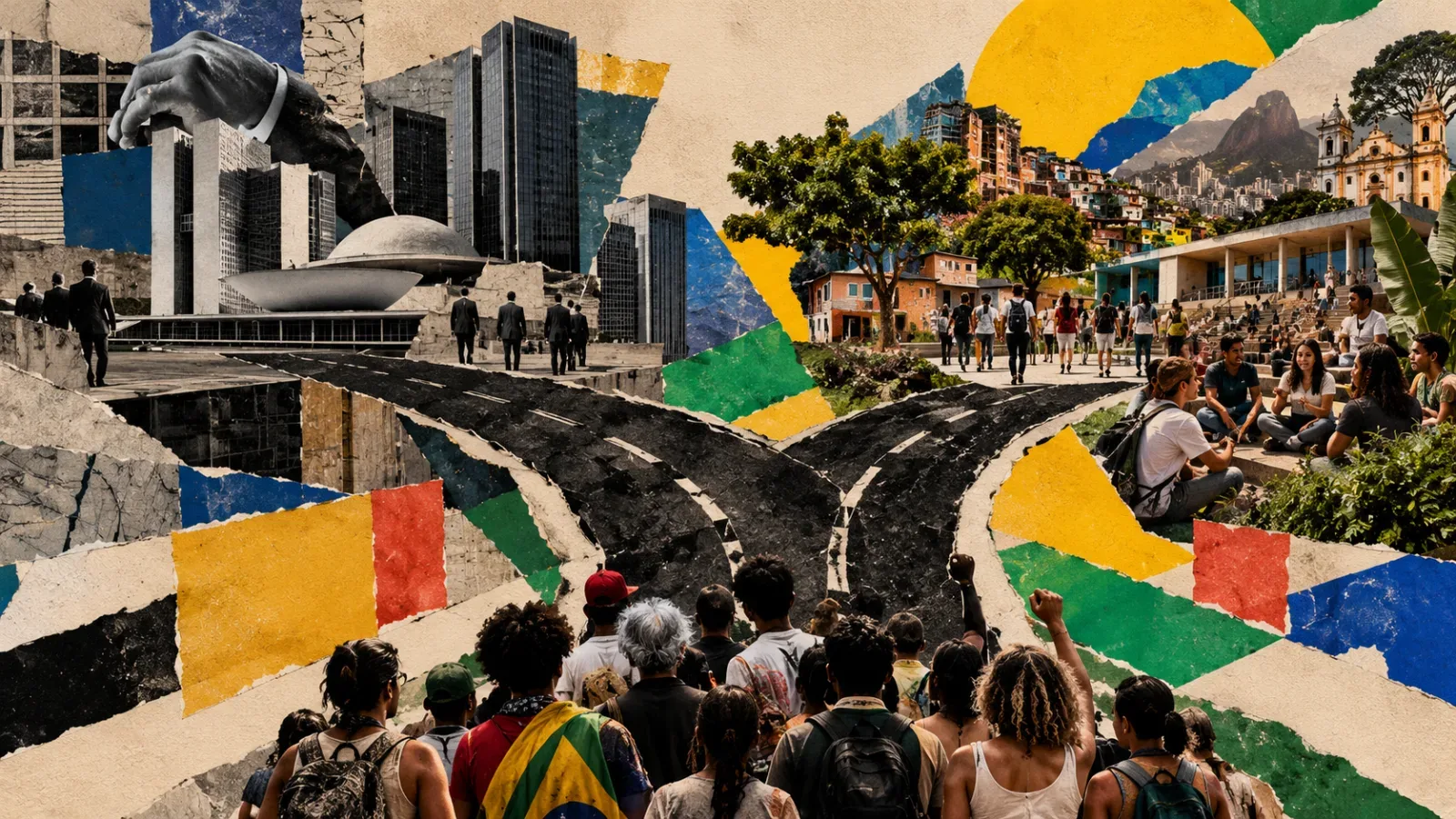
After the first mobilisation, massive demonstrations were held across the country, a phenomenon unprecedented in the history of social and popular movements in Brazil. Lula, who began his political career back in the 1970s as a trade unionist and mobilised tens of thousands of workers against the then military regime, was reminded of the power of public mobilisation and once again used such mobilisations to power his campaigns.
The leadership of the Workers’ Party (Partido dos Trabalhadores - PT), however, never organised these mobilizations. Throughout Lula’s three terms as president, the PT leadership seemed to dislike demonstrations or the mass mobilisations.
But in his post-result speech on October 25, the 80-year-old Lula dedicated his victory to those, particularly the youth and women, who mobilised the people in his support. Admitting to have learned a lot over those three weeks, Lula said he realises that he needs to change the way he has governed so far. Although it remains to be seen what course Lula takes, at this moment it is hard to imagine how he and the PT could ignore the power of the people, especially if they are led by the youth.
Notably, 19 days after the first round of spontaneous protests, more than 1,100 rallies were held simultaneously across the country, reflecting the growing belief among the people that defeating Bolsonaro was a real possibility.
Social networks a key tool for democratic mobilisation
Far-right and fascist forces, with the support of big capitalists, have used social media networks to win elections in Brazil. To stop this, André Janones, a progressive politician and Lula supporter (but not a PT member), formed “Lula´s army”, a WhatsApp channel that in no time saw about 5 million people joining it. Rattled by this new phenomenon in Lula’s campaign, the Bolsonaro camp tried to have the channel banned, ironically accusing it of spreading fake news. But an official investigation showed nothing was wrong with the channel, and, barring a few exceptions, no fake news was disseminated through it. Bolsonaro’s false accusation prompted more and more people to join “Lula’s army”. By October 4, a whopping 10 million people had joined it.
Consequently, “Lula’s army” played a key role in bringing together people, including those who, without even identifying with the PT, joined others to collectively discuss politics and, most importantly, took steps to prevent Bolsonaro from winning the election. The platform offered practical, effective guidance on how to counter Bolsonaro supporters who seemed to be everywhere, in the family, among neighbours, at workplaces, in markets, and on the streets. The result: across the country, everyone started talking politics, and the PT slowly regained the popular support it had lost at grassroots level.
As a result, against all predictions, Lula got an additional 10 million votes in the run-off election — including those of people who had either not voted in the first-round election or had done so for Bolsonaro.
The Brazilian presidential election showed how social media networks can be used to create a massive, horizontal collective force of millions of people and facilitate face-to-face campaign at the grassroots level. Social media platforms helped create a popular, practical method of campaign engaging millions of people but without spending money. The campaign relied on the enthusiasm and commitment of the people, not on fake accounts and AI used by Bolsonaro and his team. The “real soldiers” of “Lula’s army” succeeded in challenging Big Money and the fake news machine of the Bolsonaro campaign team that was also supported by the Donald Trump regime.
Remarkably, “Lula’s army” succeeded in its endeavour in spite of Bolsonaro enjoying the support of the owners of these social media platforms. An additional outcome of the three weeks in the run-up to the run-off election was the Brazilian federal police investigations into the practices of Meta and other Big Tech during the election campaign. Their practices systematically benefited Bolsonaro and denigrated Lula.
The key role played by alternative investigative media collectives
To be sure, social media platforms have taken over the role of the traditional hegemonic media that have traditionally influenced elections often in support of right or far-right candidates. But the hegemonic media, comprising newspapers, magazines and TV channels, still play an important role in election campaigns as they remain part of the scheme to support right-wing forces. Crucially, however, the progressive and left-oriented media played a significant role in investigating the crimes of far-right candidates such as Flavio Bolsonaro. The investigations by several small media channels into Bolsonaro’s crimes were critical to deconstructing his image of a “good boy”, and much more “moderate” than his father. The results of several such investigations led to federal police investigations. In some cases, even big media houses picked up the news from small media collectives and disseminated it, further exposing Flavio Bolsonaro’s artificially created “good boy” image.
Collective awareness of who we are, how we got here and what is at stake.
Some slogans like “struggle for democracy”, “against fascism” and “for sovereignty”, used to mobilise the masses, succeeded in developing collective awareness among the people, who realised “who we are” and “what we have achieved” as part of the working class in the struggle against the colonial past of slavery and predatory capitalism, something which still plagues Brazilian society in many ways. Whereas in the colonial past, pau-brasil timber (brazilwood) was shipped to Portugal for free, Bolsonaro wanted to hand over Brazil´s rare earth minerals (Brazil has the 2nd-largest reserve of rare earths) to the United States for free in order to please Trump. The public mobilisations in Brazil revealed how false Bolsonaro’s claims were — even wearing the Brazilian national soccer team’s jersey to show support for Bolsonaro raised serious concern for Brazil’s sovereignty and national interest.
The presence of feminists, indigenous peoples and black communities in the mobilisations reminded people of the oppressive regimes in the past whose policies were based on patriarchy, slavery, racism and homophobia. The mobilisations also, once again, made them realize that some important policies and laws to protect women victims of violence were implemented only during Lula´s presidency.
As a matter of fact, Lula is seen as the only president to have implemented policies for the benefit of the oppressed, although many forms of oppression continue to plague Brazil. Many youths who, thanks to Lula’s government, could get admitted to public universities were seen holding waving banners defending public education. Older people from the large working-class neighbourhoods in Brazil’s big towns and cities, too, participated in the campaign. So many went to vote, with some being carried by their grandchildren on their shoulders — because the political discussions here and there helped them reconnected with Lula, view him as “one of us” and eventually vote for him against the “playboy Flavio”.
As for Flavio Bolsonaro, he called Lula “9 fingers” in the last TV debate two days before the run-off election, making a self-inflicting joke about Lula having lost one of his fingers. In response, Lula shared with the people the real story of how he lost his finger when he was a 17-year-old boy. He said that he was so tired working night shift in a factory that before he could realise what was happening, he had met with the accident and lost a finger. This is a story many workers identify with. Lula’s excelled response to Bolsonaro, reaffirming not only who he is but also who the vast majority of Brazilians are, contributed to his victory.
What Lula will do during his presidency remains to be seen. But what is sure is, as the saying goes, “A lula continua”.