
Jyotinagar: Water Crisis, Eviction Threat and a Battle Over Identity
(Translated into English from Original Bengali Text)
There is another Kolkata within the Kolkata we know — one where tap water can disappear for months, power lines can be disconnected, and an MLA can use his power to tell residents they will get neither public services nor official help. Their offence? They belong to a religious minority. A Sawaal reporter travelled to this “other Kolkata”. This is the story of Jyotinagar.
A Sawaal Special Report. Photography: Kushal Kar
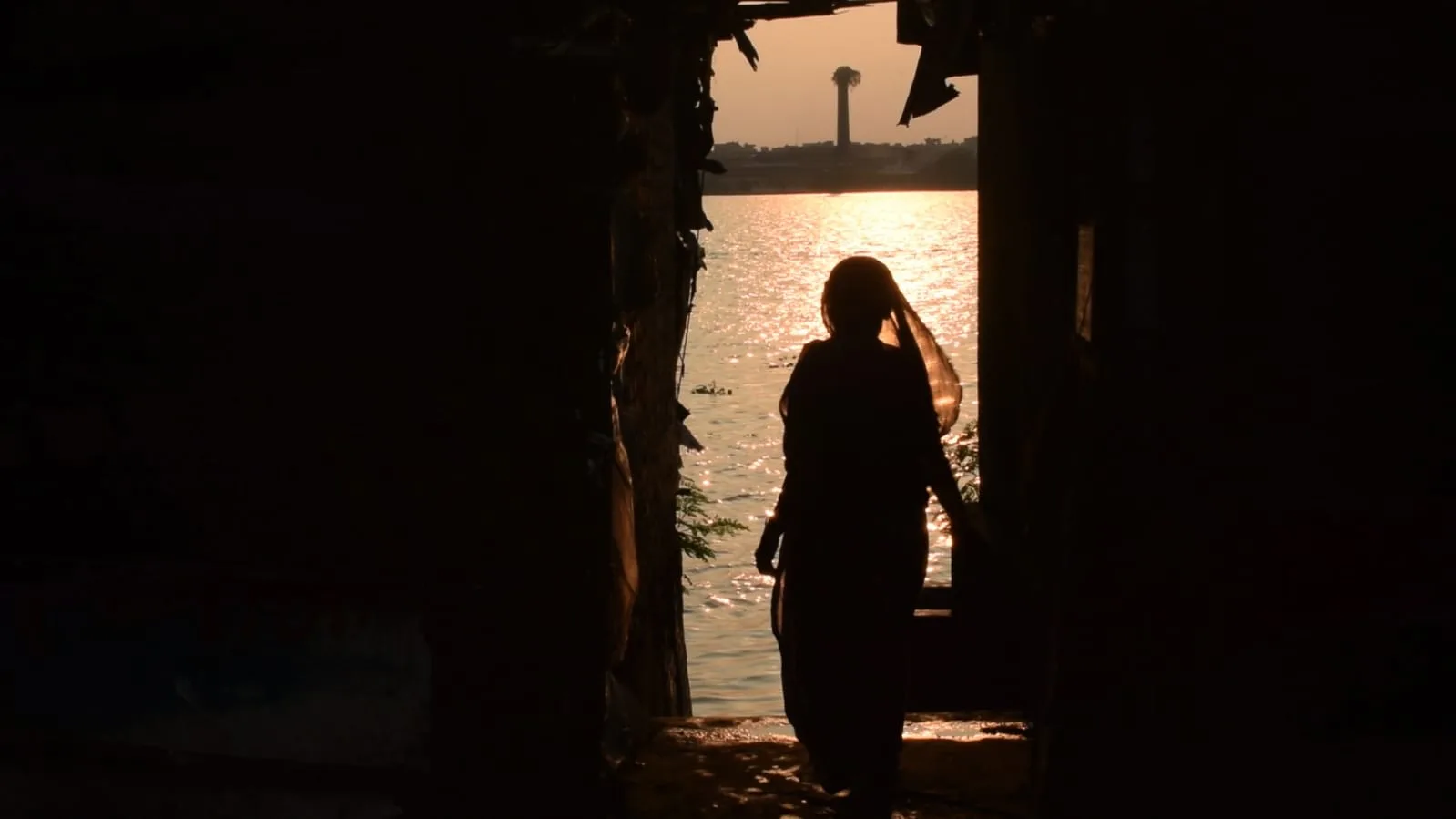
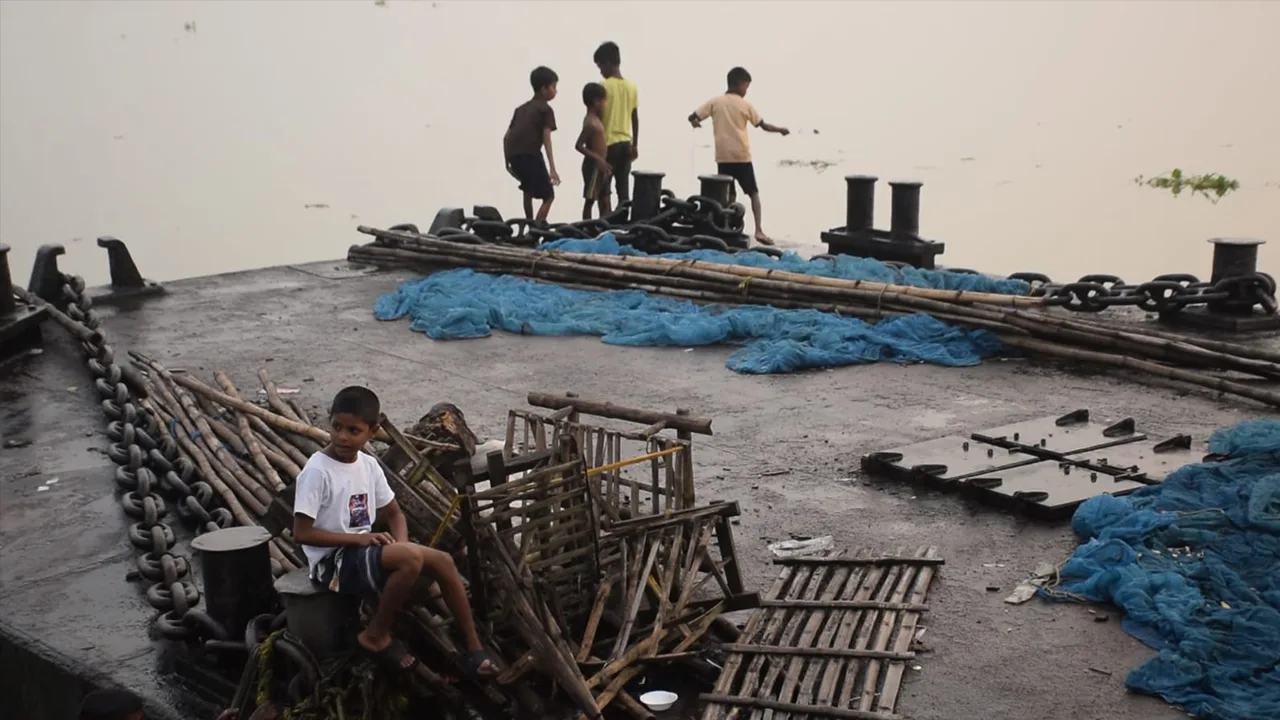
In north Kolkata, Strand Bank Road runs along the eastern bank of the Ganges. Past Cossipore Jetty lies Jyotinagar Colony, not far from the two-century-old Gun & Shell Factory. As industrial Kolkata expanded, settlements like this grew along the river — neighbourhoods built around the lives and labour of the city’s working class.
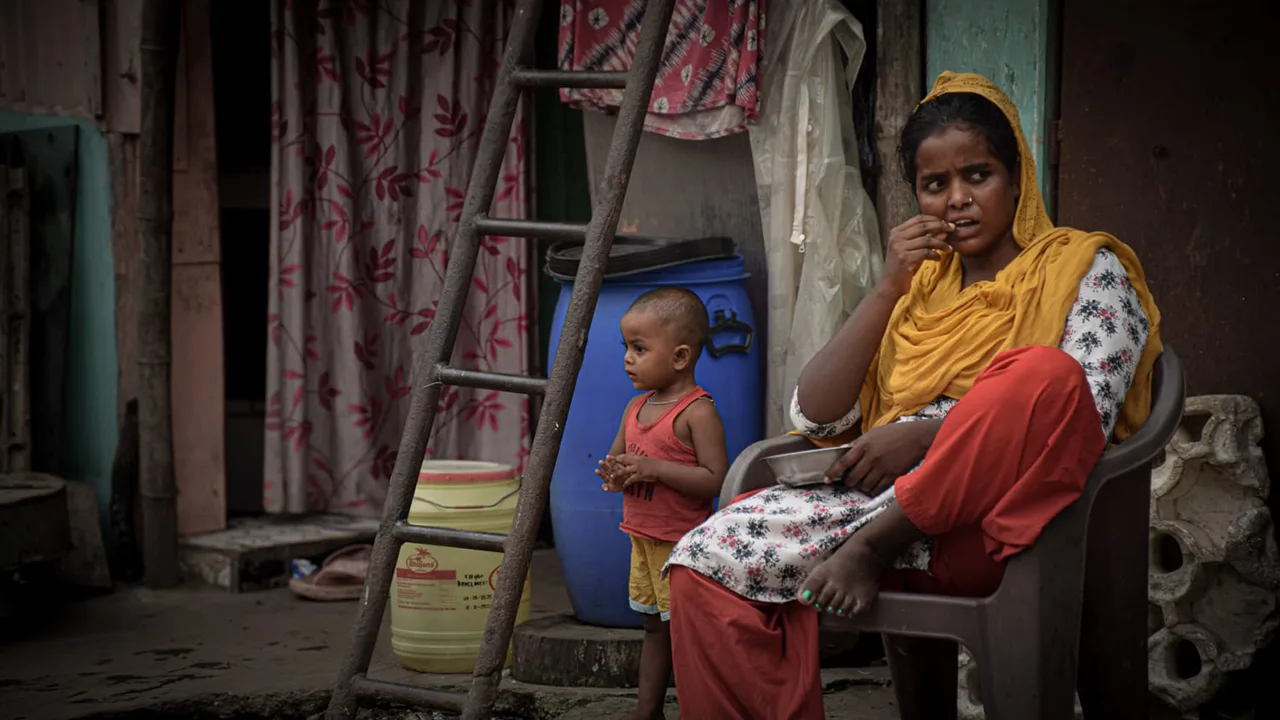
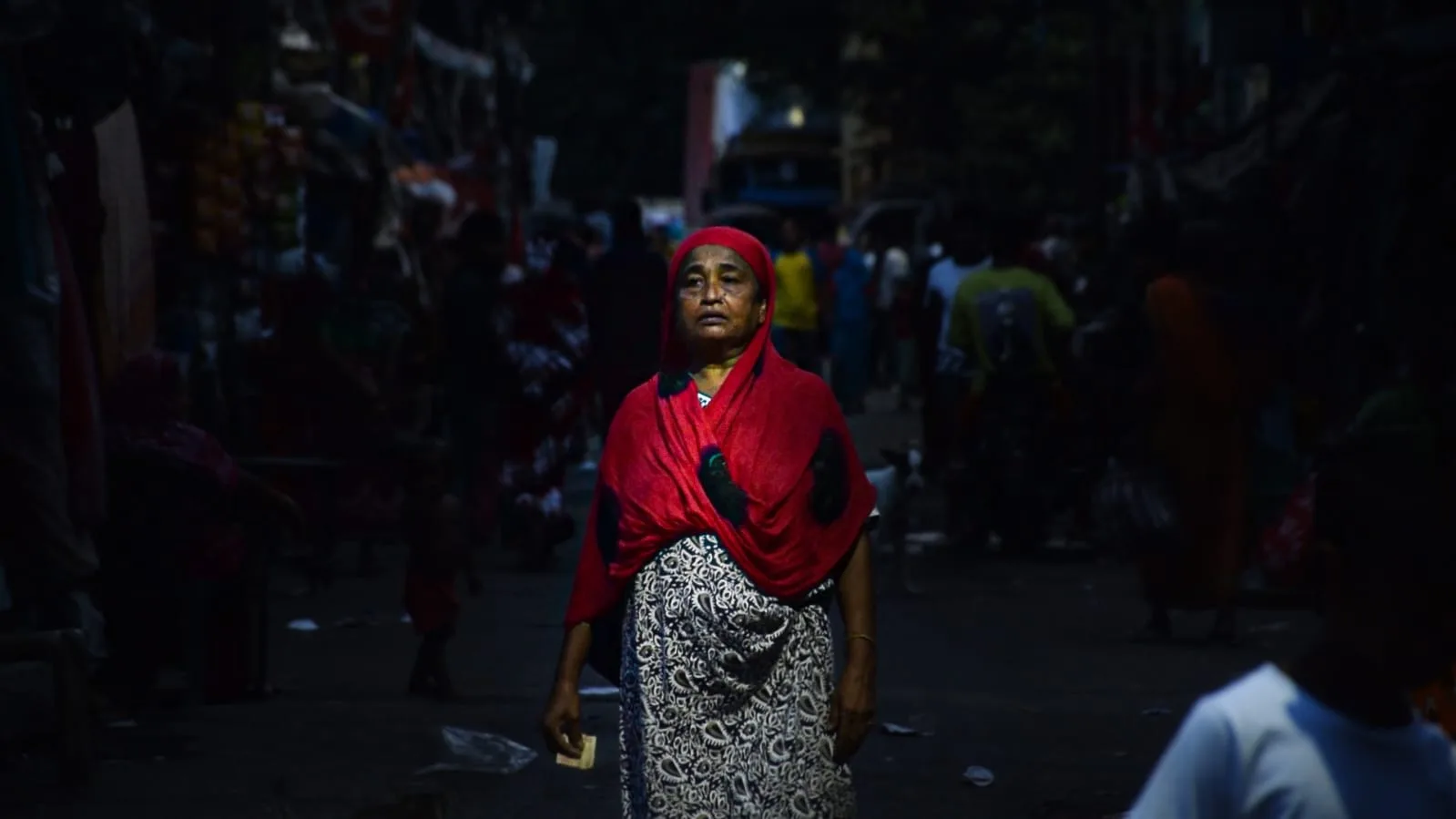
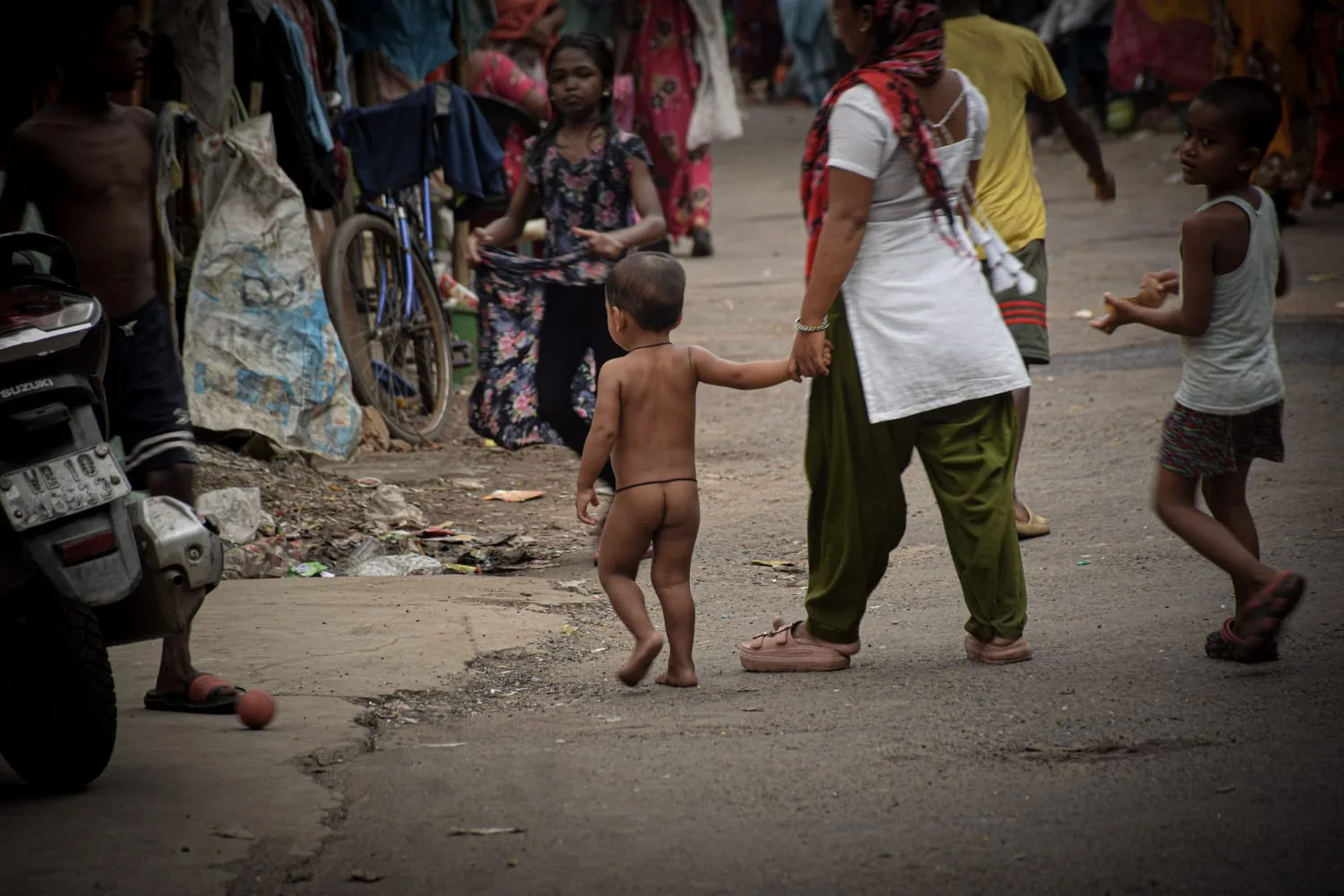
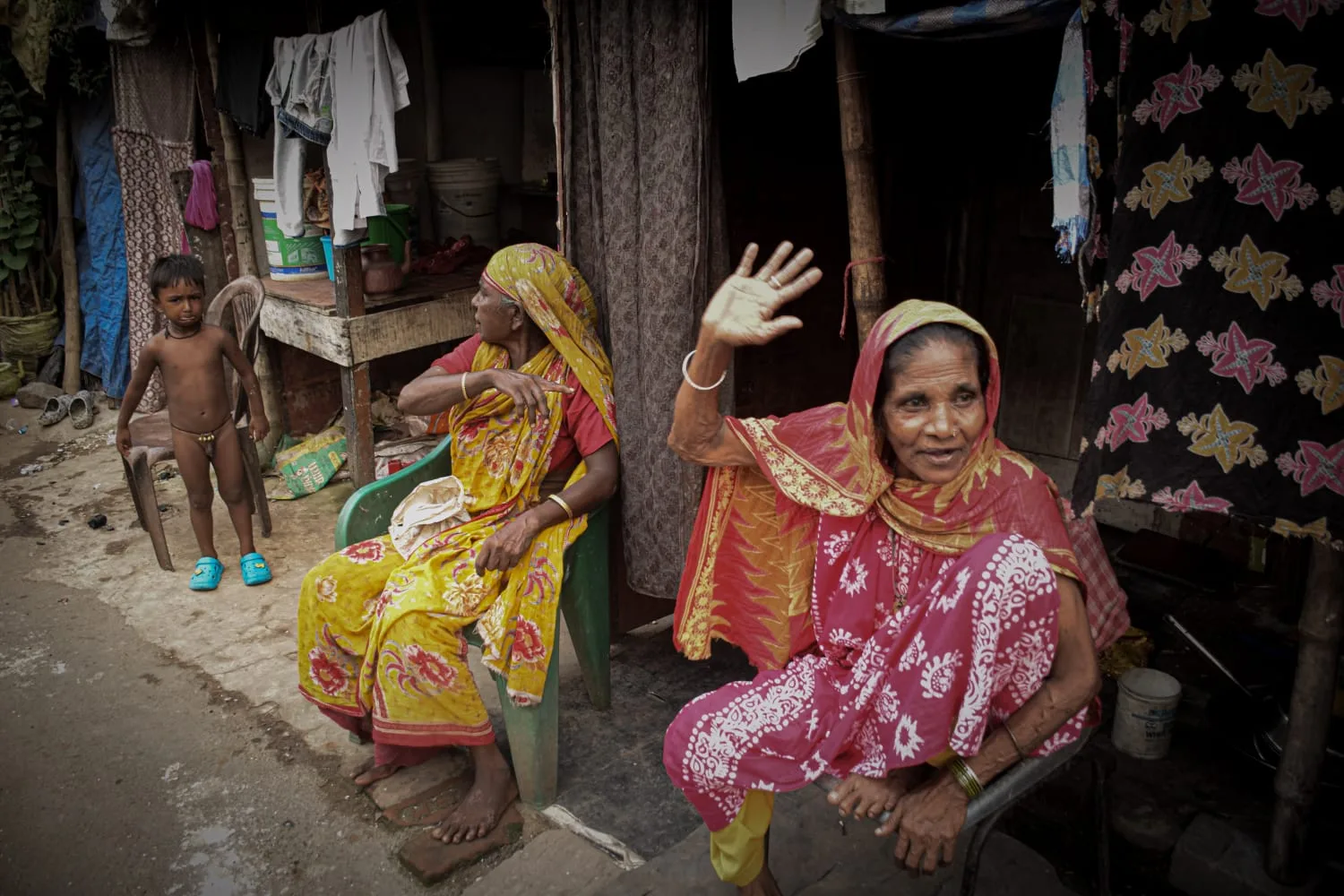
Jyotinagar is home to around 5,000 people, almost all of them Muslim. Most work as daily-wage labourers, masons, rickshaw-pullers or factory workers. Many women work in nearby factories, cleaning glass bottles or breaking discarded glass. For these workers, Jyotinagar is home.
February 23. The Estate Officer of Syama Prasad Mookerjee Port orders the eviction of Jyotinagar Colony. The order said the settlement stood on about 3,478 square metres of the port’s land. Residents were described as “encroachers” and “infiltrators” and given 15 days to vacate. Families which have lived in this part of Kolkata for decades are now facing eviction.
May 13. Newly elected BJP MLA Ritesh Tiwari tells a public meeting that Muslims had not voted for him; therefore, he would not do any work for them for the next five years. He said he would not even issue certificates to them. He later reiterated his position in comments to The Indian Express.
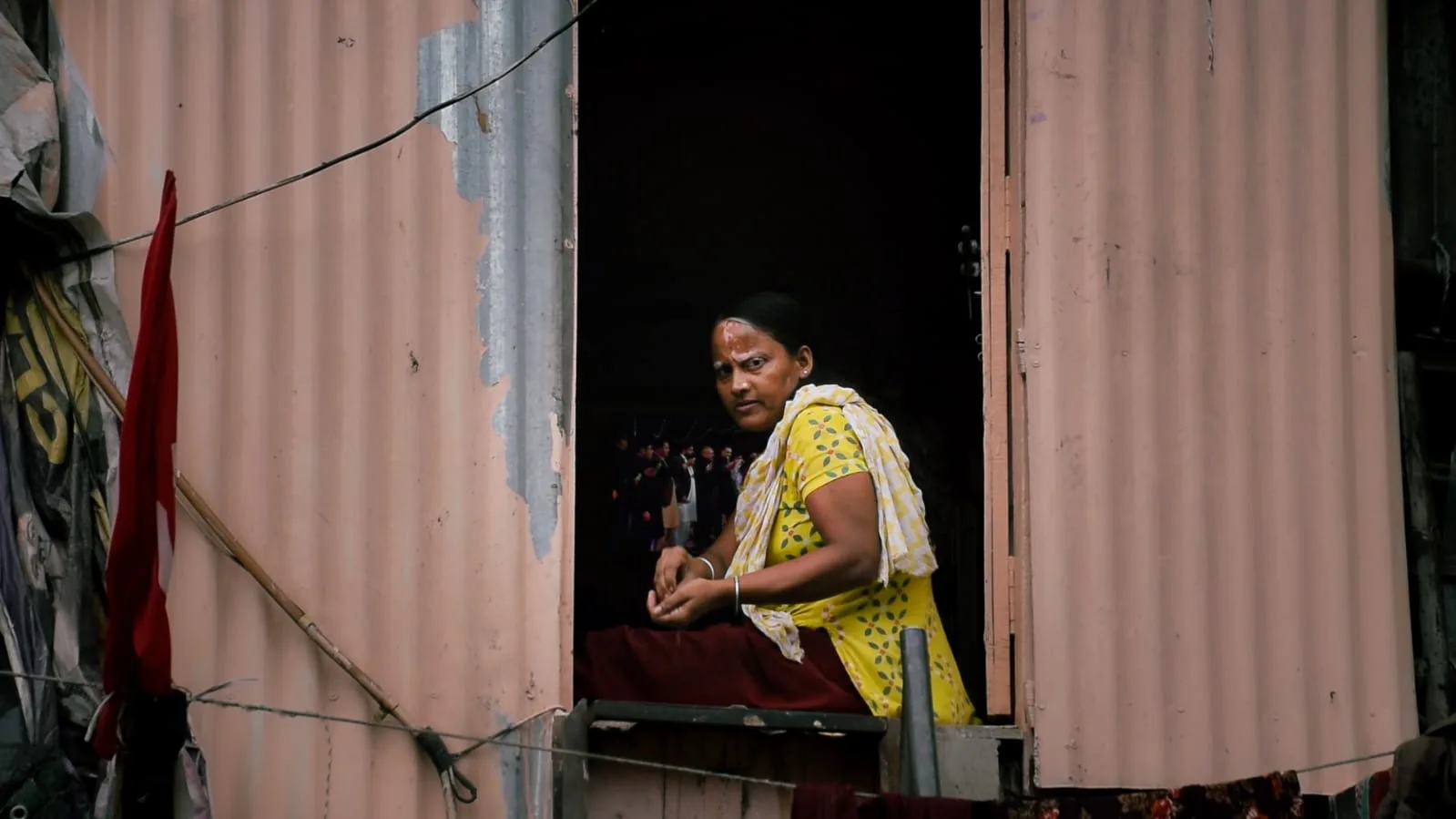
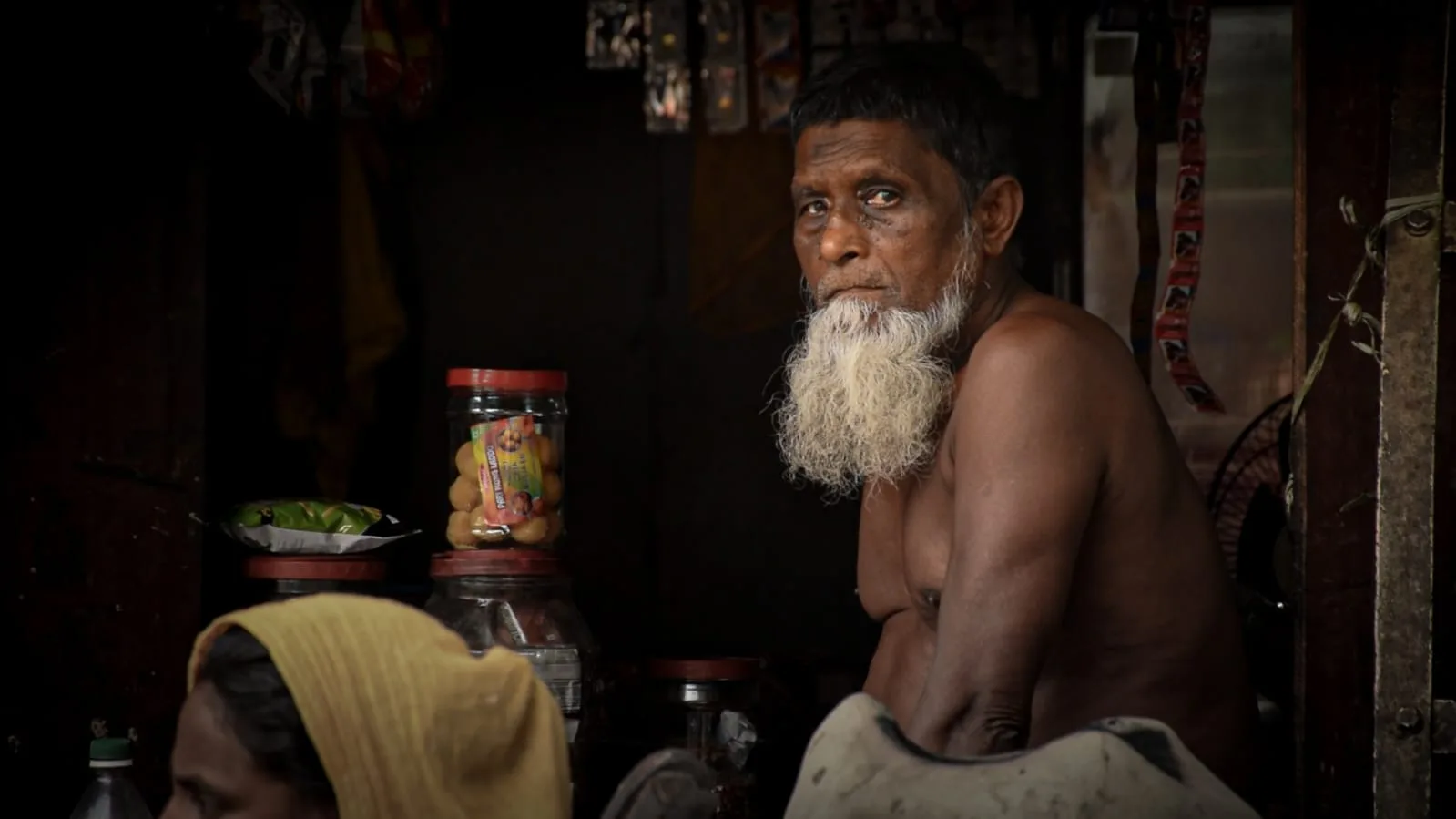
June 9. Residents of Jyotinagar learn that the eviction order had been issued nearly three and a half months earlier but they were not informed. Until June 9, the prospect of losing their homes had largely been a fear passed from one person to another. The official notice made it real. Many were born in these lanes. Their parents and grandparents lived (or are living) here for decades. Now one question looms over the settlement: where will they go?
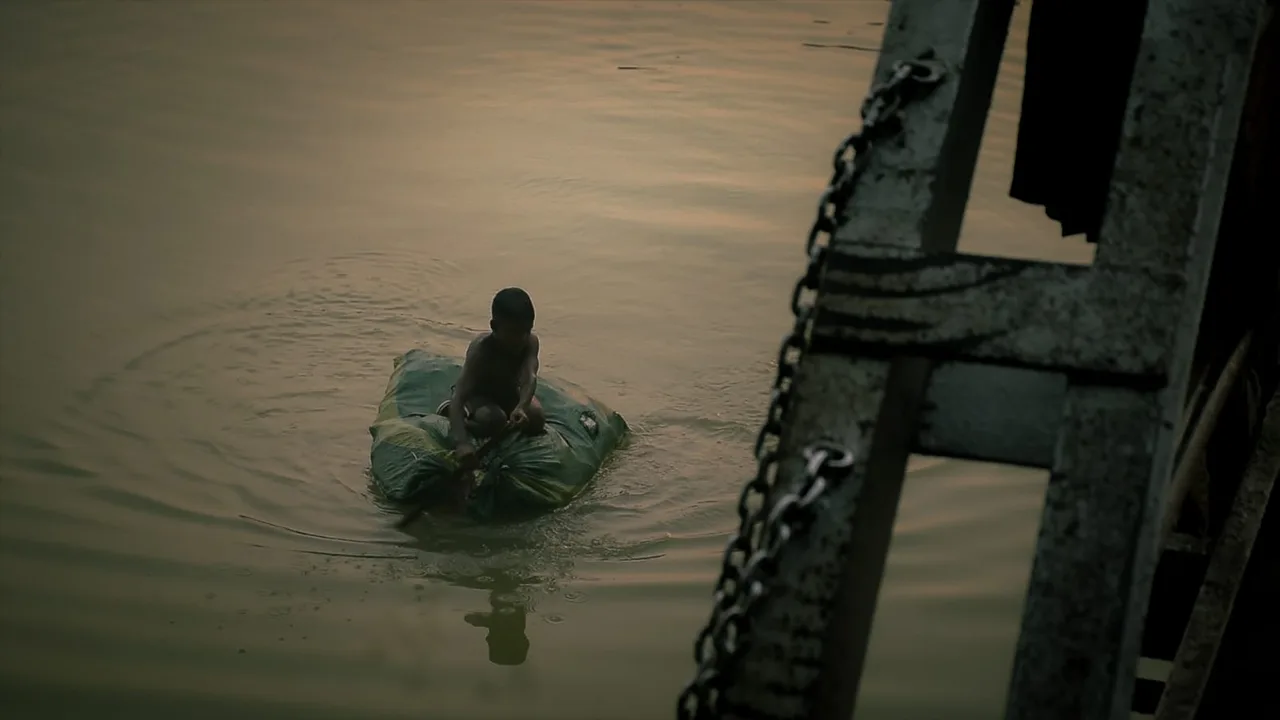
July 29. Water stops flowing from all five public taps in the colony. Around the same time, electricity supply along the main road is disconnected. Until then, the taps used to supply water every day from 5 am to 11 pm. Overnight the taps ran dry, pushing the colony into an acute water crisis. Residents now have to travel several kilometres to fetch a bucket of water. For some, the muddy, polluted water of the Ganges has become the only fallback.
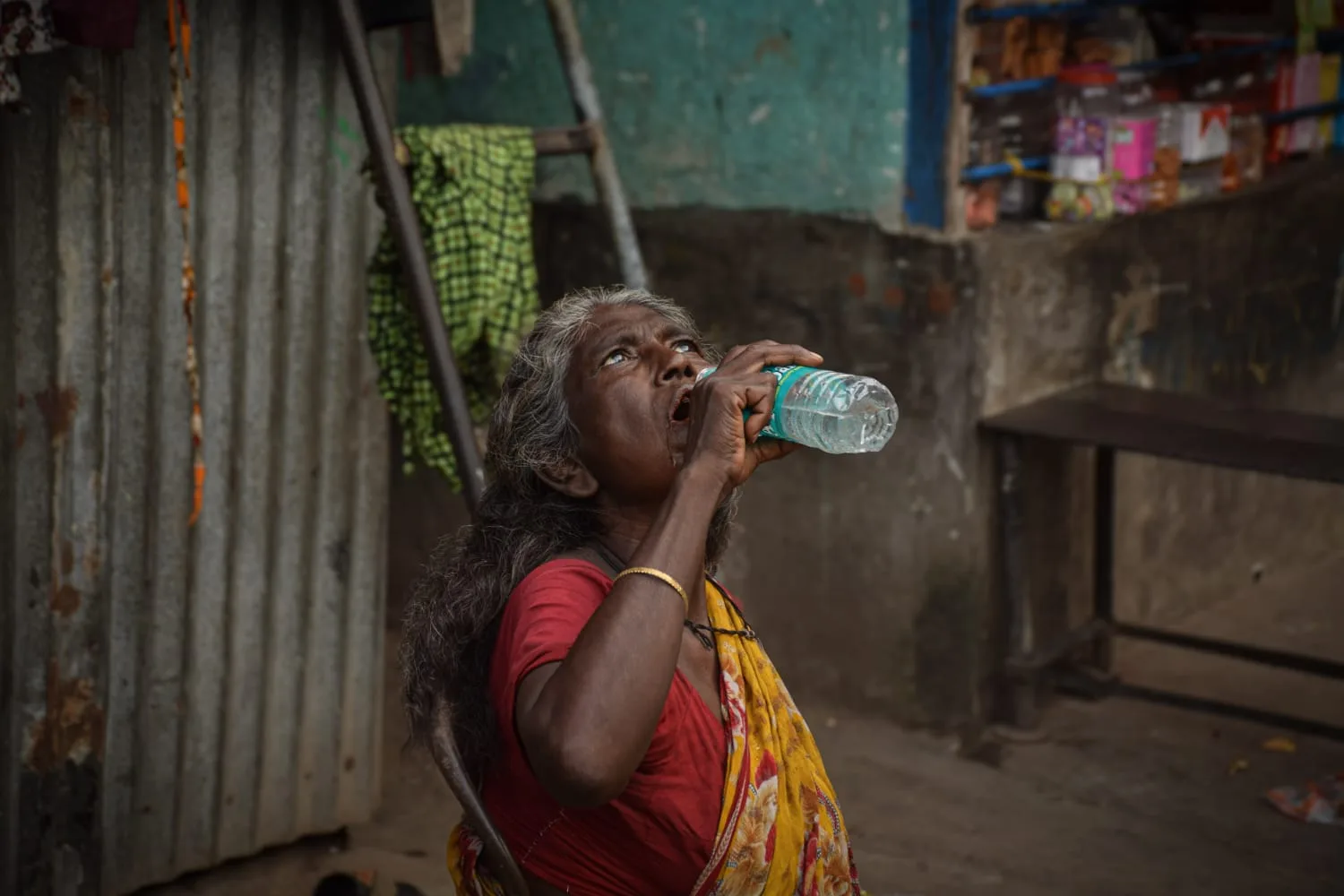
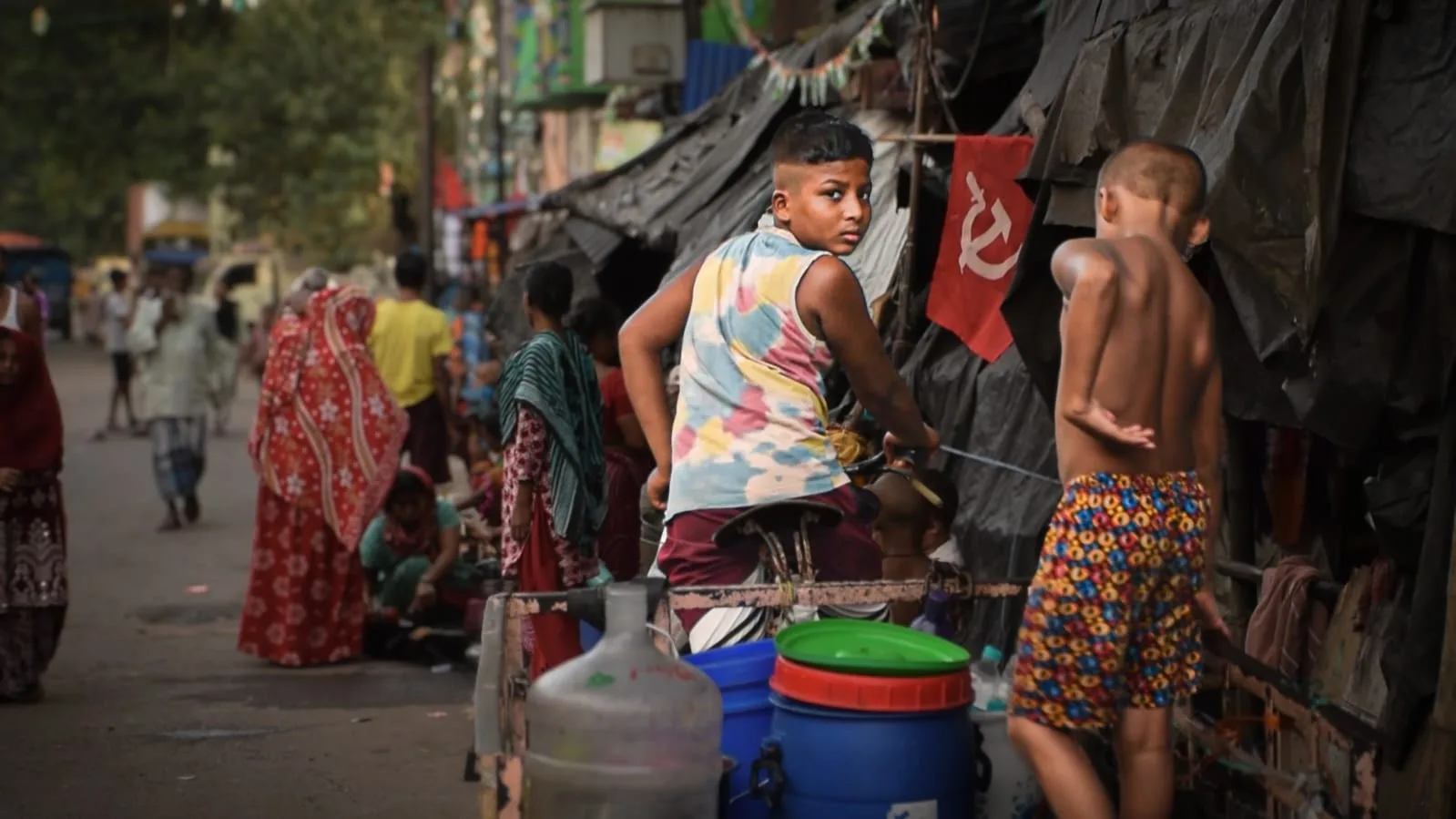
Electricity has since returned. Water has not. The disruption is limited to five taps along a roughly 150-metre stretch of Jyotinagar. Taps in surrounding areas continue to supply water. Fetching water from a distance in buckets, drums and pots is now part of daily life. Children spend their afternoons pushing vans loaded with drinking water. Residents say prolonged use of contaminated water is also causing skin ailments.
With the eviction case still pending before a civil court, residents moved the Calcutta High Court on August 19. The court granted an interim stay on the eviction. The same day, in an interview, Ritesh Tiwari alleged that there were “illegal Bangladeshis” among Jyotinagar’s residents. For a settlement of nearly 5,000 people, the label of “infiltrator” now hangs over their everyday life. Residents say that, under the new government’s policy, they are being denied basic services.
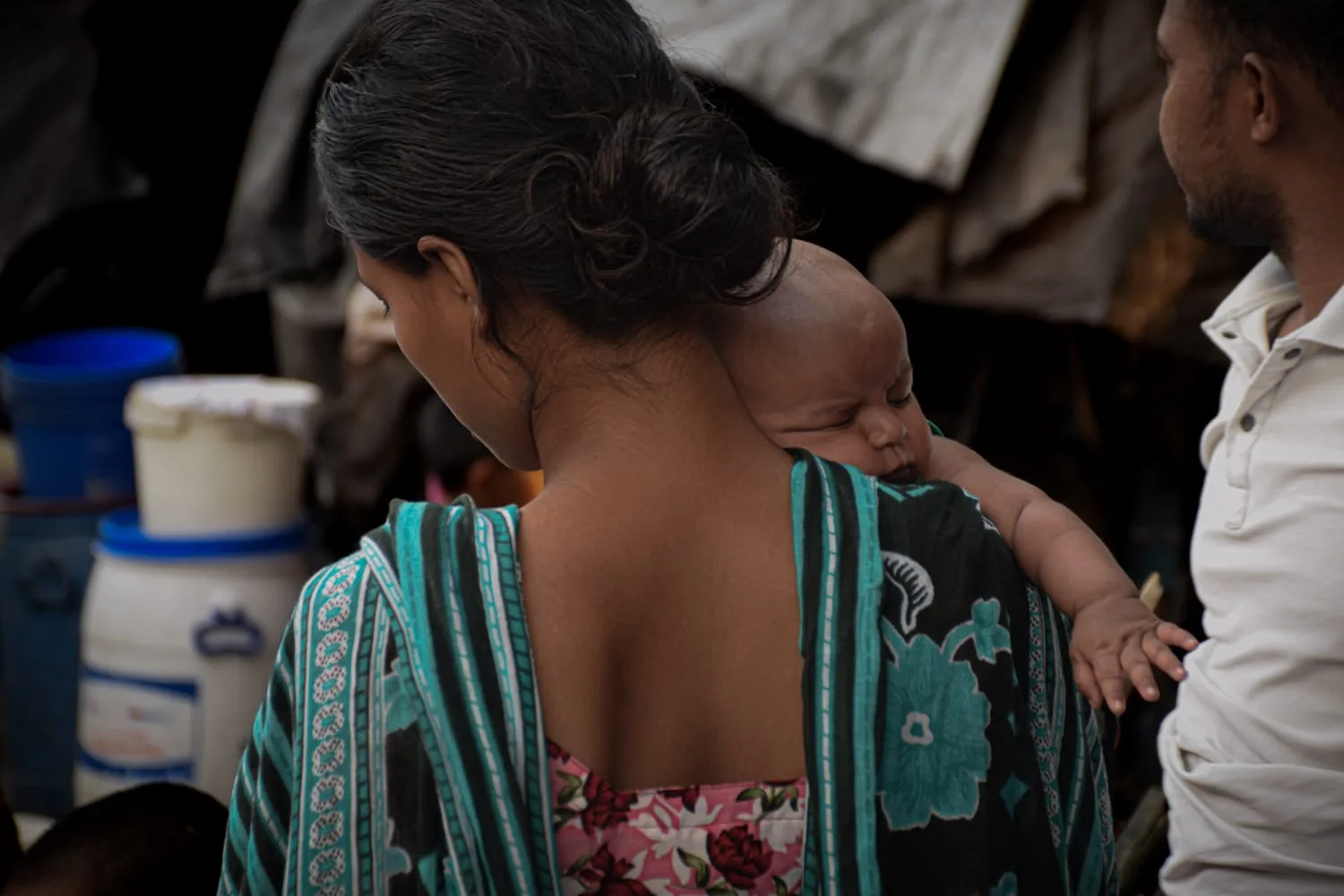
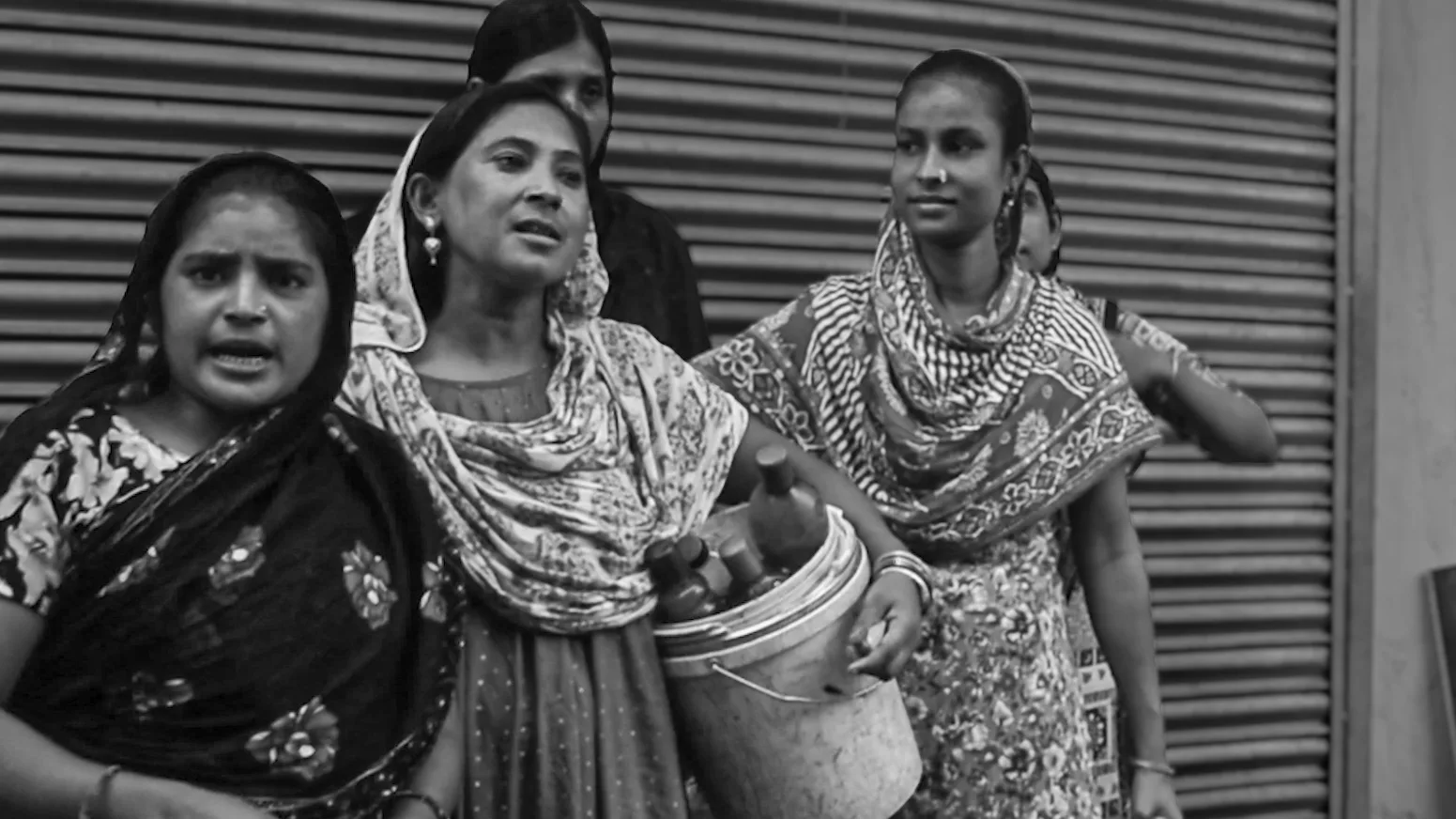
On September 25, a public interest litigation was filed in the Calcutta High Court seeking restoration of drinking water for the nearly 5,000 residents. Jyotinagar’s residents are now united in their fight. They say the administration stands against them and allege that every possible means is being used to force them from their homes. Their position is clear: they will fight to the end. They will not leave the homes where their families have lived for generations.
Sources: Alt News | The Indian Express | Anandabazar Patrika | Hindustan Times | Aaj Tak Bangla | National Herald | Outlook India | Siasat | The Observer Post | Madhyamam | Dainik Statesman