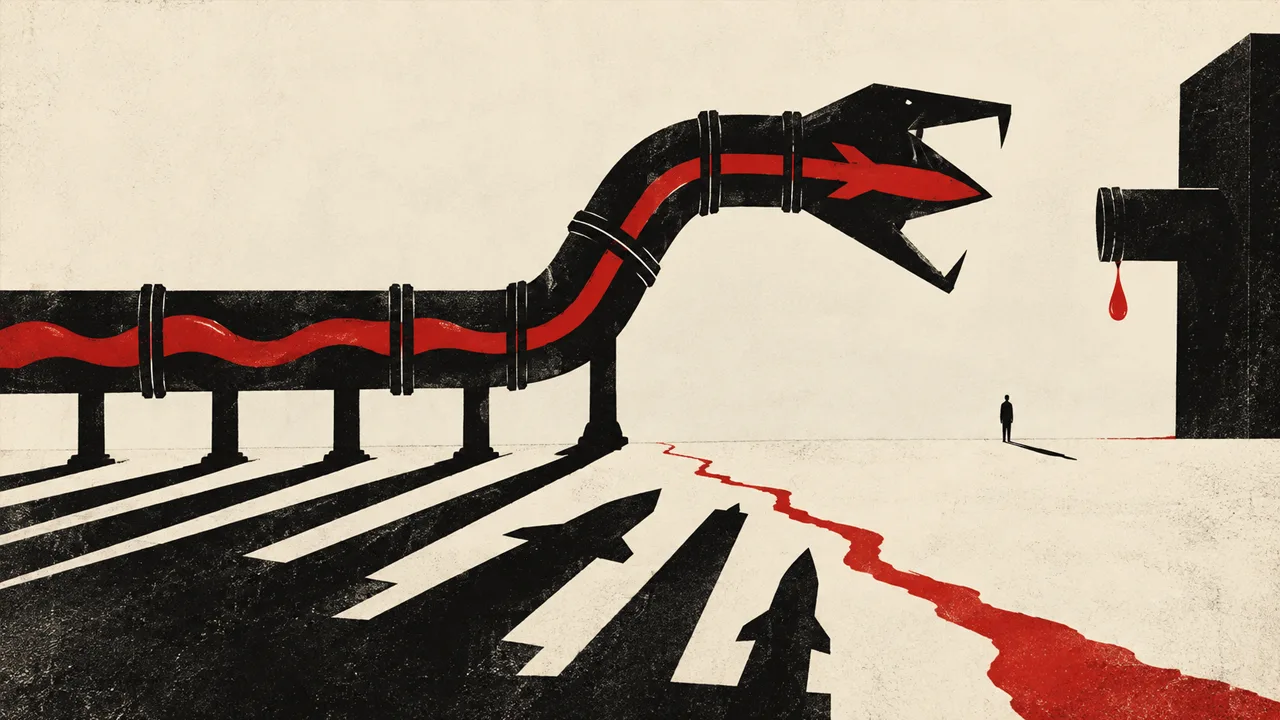
The US’ policies and actions also weakened and eventually helped extinguish a popular democratic movement in Iran in the 1950s. This US strategy to expand its market and capital has not changed except that it has been modifying its tactics depending on the prevailing conditions. The Chinese economic development model today carries within it many of the destructive tendencies of capital accumulation. The ecological crisis is increasingly a crisis of human survival.
Read story →
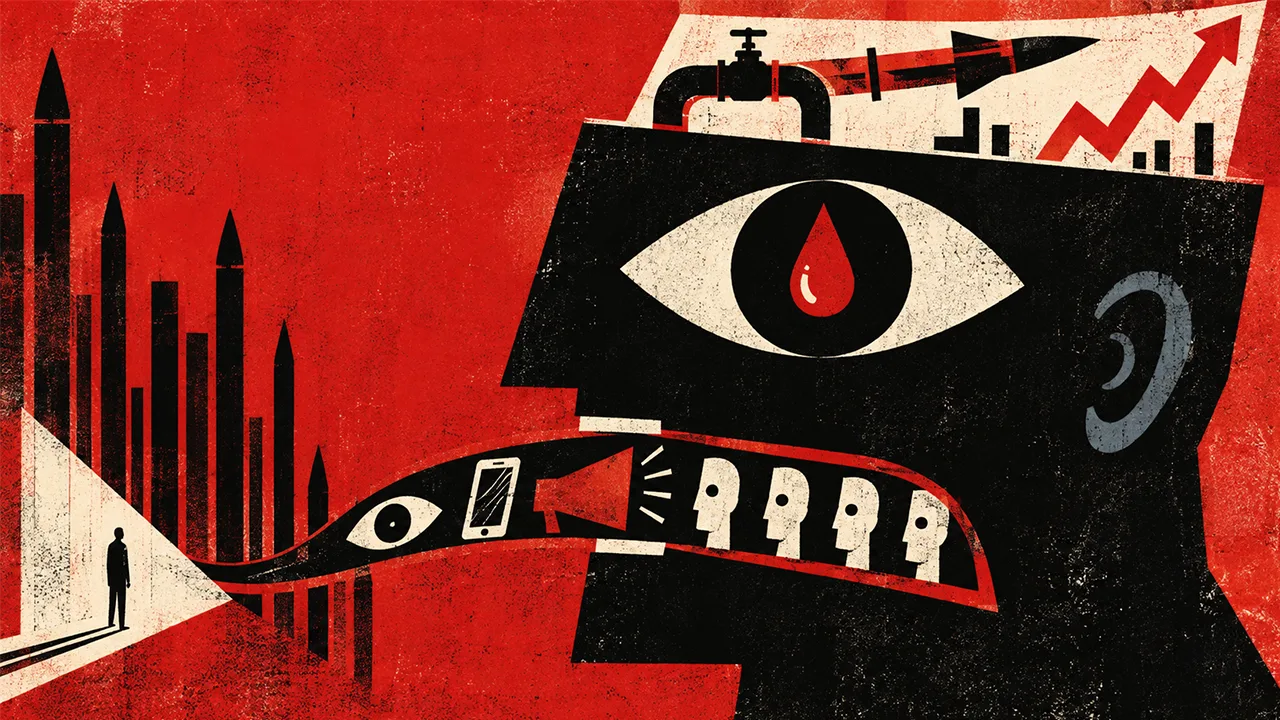
Slowing economic growth, persistent poverty, high income and wealth disparities, large employment gaps and underemployment, and worsening environmental and ecological degradation are but some of the markers of today’s world. For such governments and giant corporations, the agenda of continuously increasing their profits to consolidate their control over society is supreme, a quest that is fed and driven by mainstream media and parts of social media.
Read story →
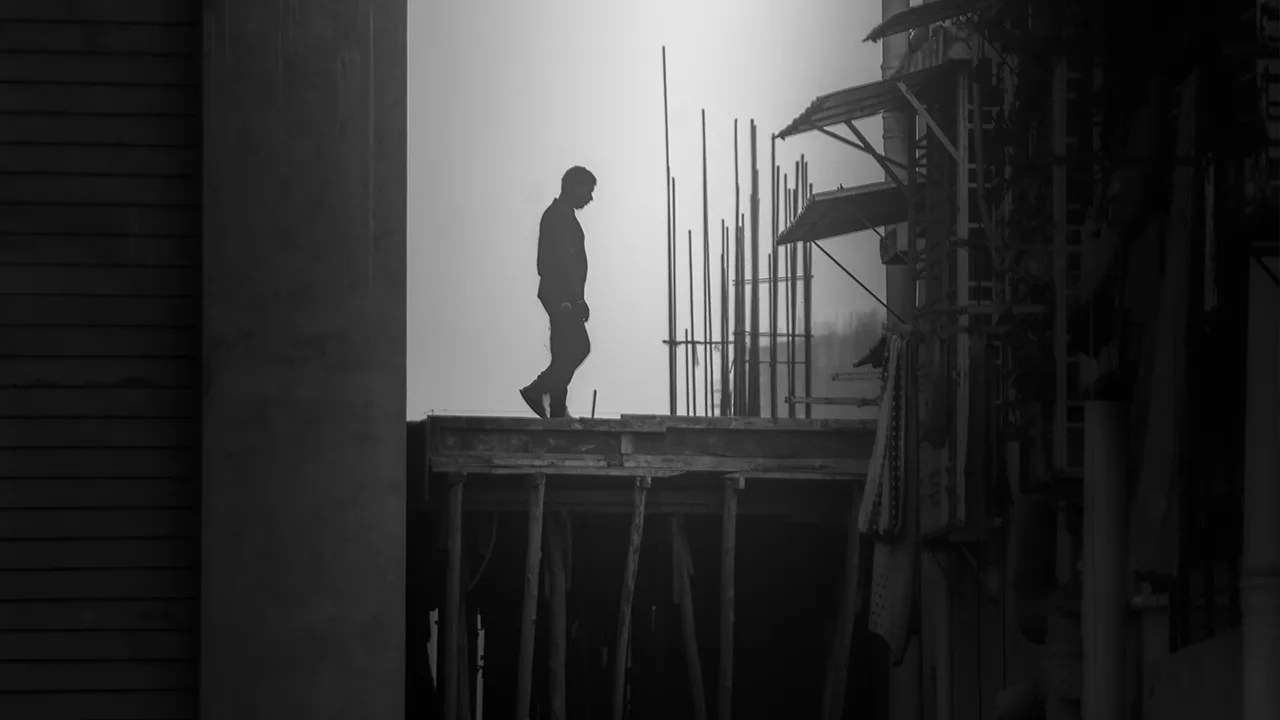
Citizenship remains one of the most powerful legal institutions in the modern world. India's experience demonstrates that citizenship cannot be understood solely through legislation. The debates on the NRC, detention centres, the Rohingya, alleged push-backs and the CAA reveal not merely disagreements over policy, but also conflicting understandings of the constitutional republic itself. A democratic state indeed has the authority to regulate immigration, identify foreign nationals and secure its borders.
Read story →
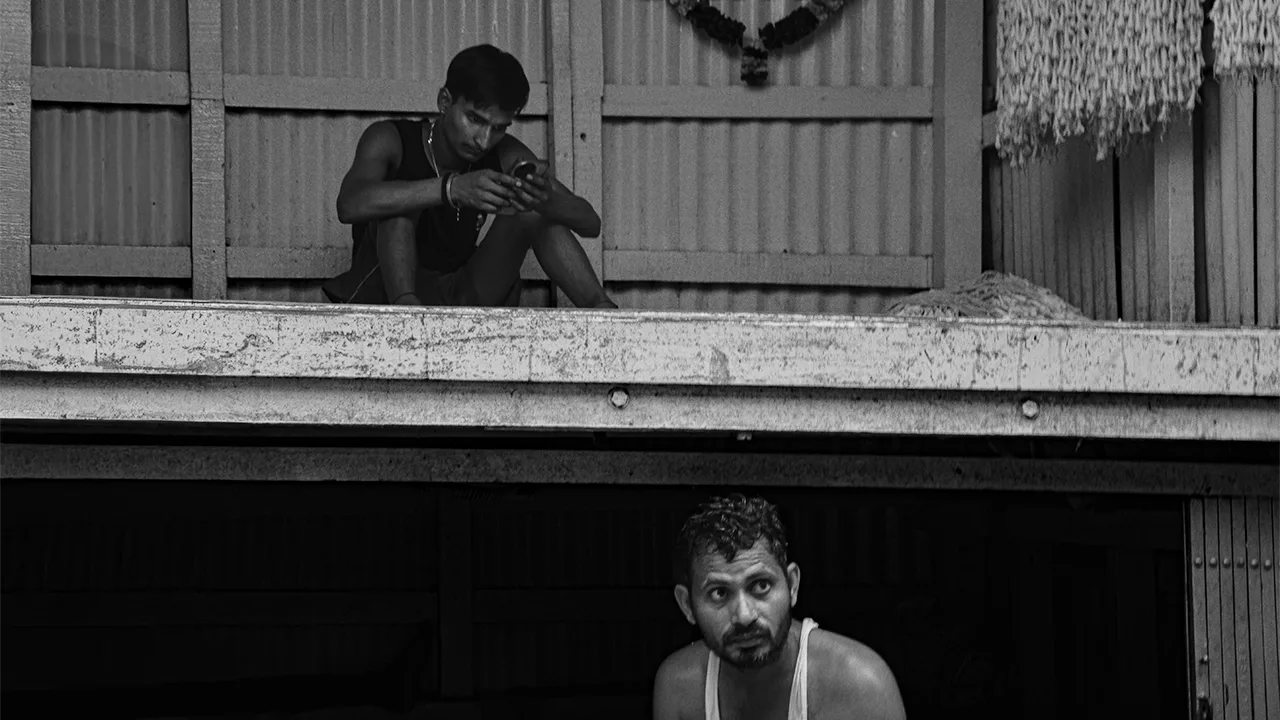
Democracy has to become a habit. The politics of opposition must not merely say different things. It must learn to live differently. A politics of demands is necessary, but if every demand ends at the door of a benevolent state, people remain recipients. Because in the end, the strongest barricade against fascism is not another strong state; it is a strong, oppositional society.
Read story →
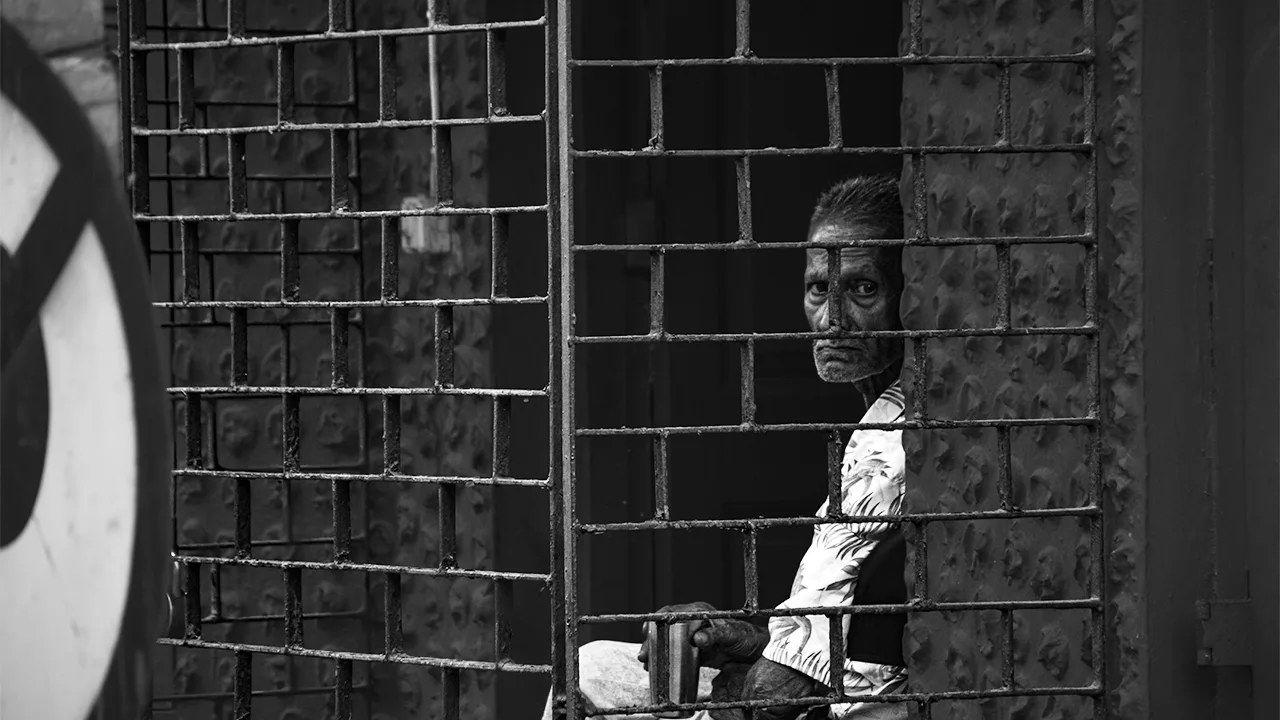
In social movements, we need to distinguish between organisation and organising. An organisation may be a party, union, committee, NGO or federation. It has a name, an office, and positions. Organising is different. It is the slow work of bringing people together so they can think collectively about their own lives, learn to decide and struggle together, learn to trust one another. It is the work of developing their own social power while resisting the power above them.
Read story →
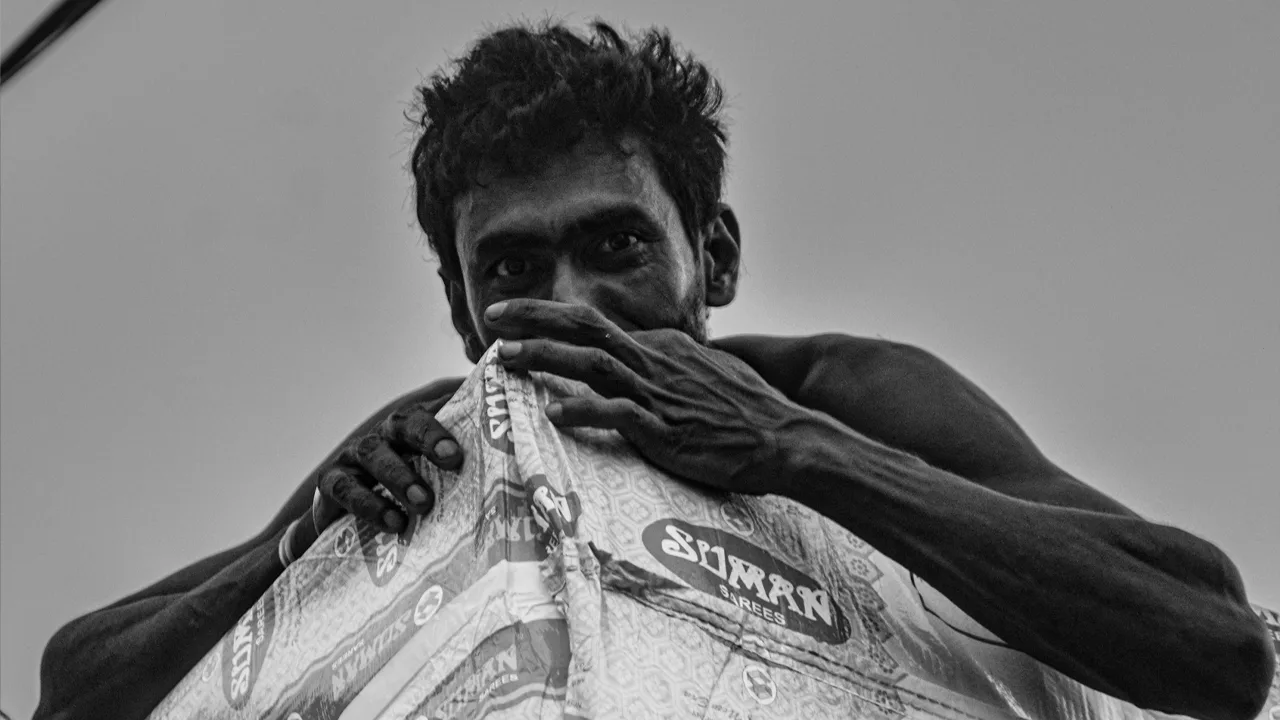
The history of citizenship in India demonstrates that it has never been a static or purely legal concept. From the commencement provisions of the Constitution, through the Citizenship Act of 1955 and its successive amendments, to the debates surrounding the NRC and the CAA, citizenship has continuously reflected broader struggles over the meaning of the Indian nation itself. The legal definition of who belongs has evolved alongside changing political realities and competing ideological visions.
Read story →