Hawker
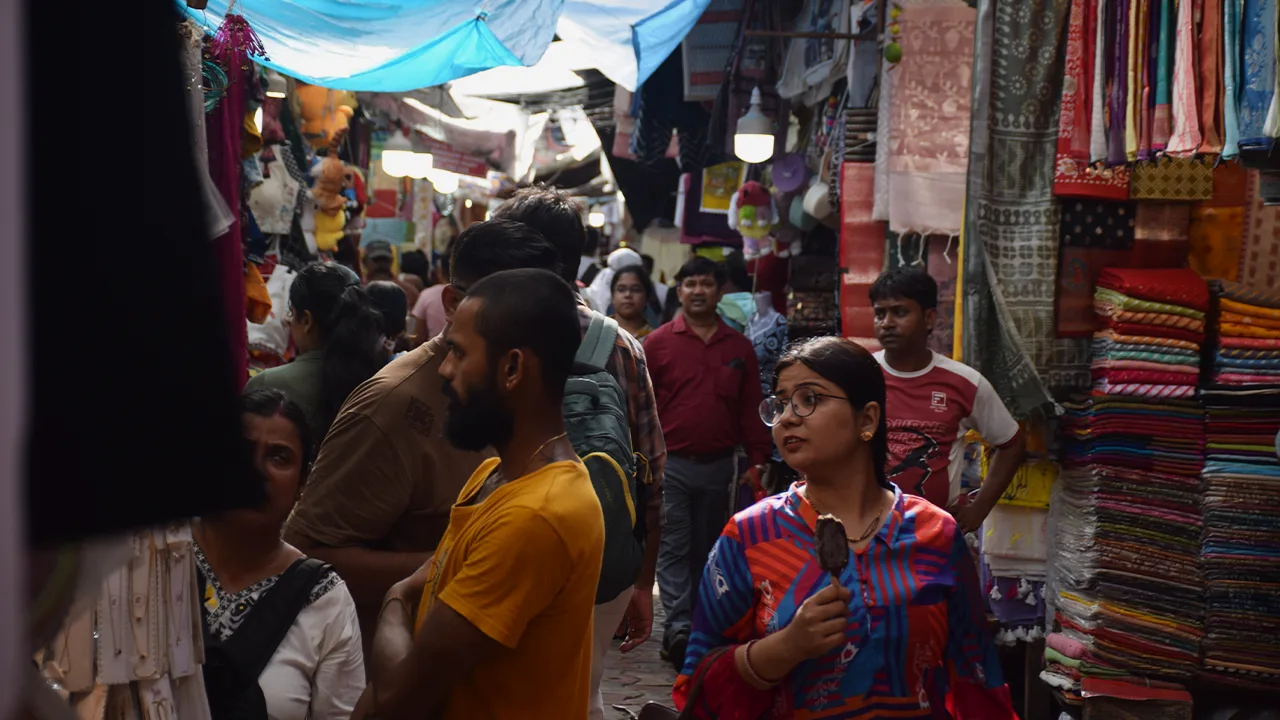
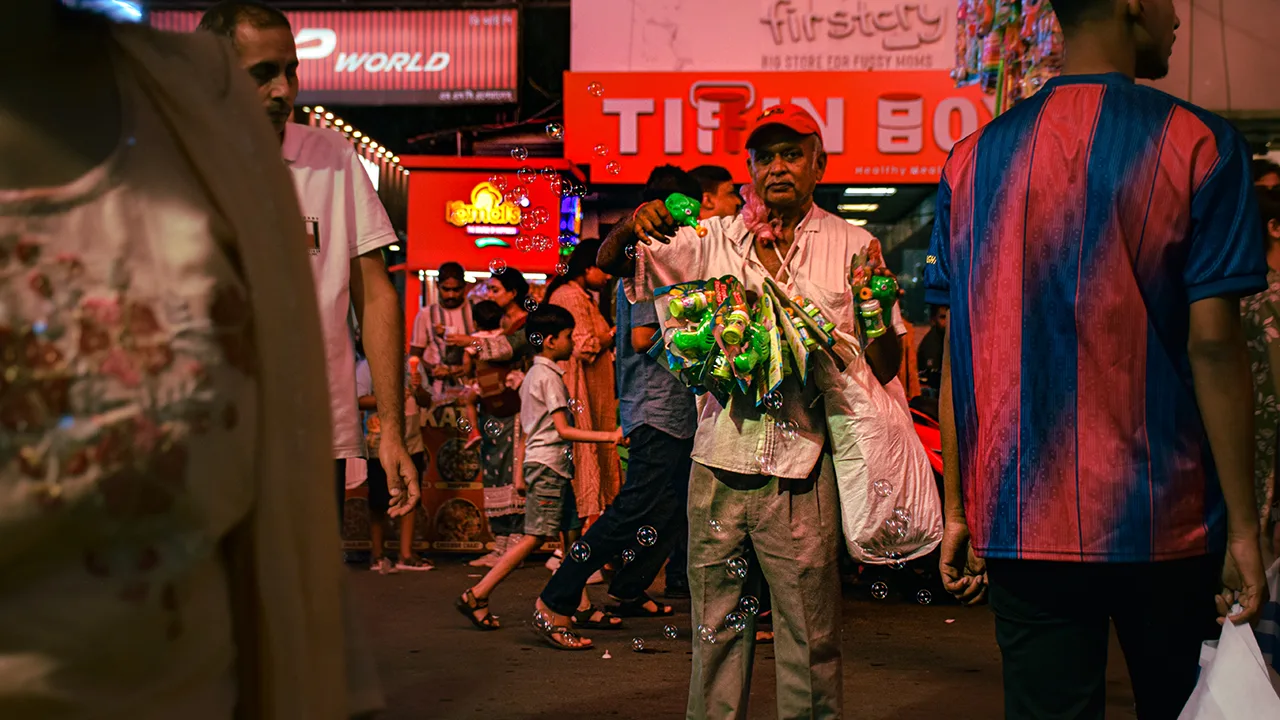
Hutom had seen them on the streets of Shobhabazar: women fish-sellers, the mechunis, carrying lamps at night as they sold salted hilsa. Spotting a customer, they would call out, “O gamcha-kandhe, bhalo mach nibi? O khengra gupo minse, chaar anaa dibi!” Would it really be wrong to call those mechunis of old Kolkata hawkers?
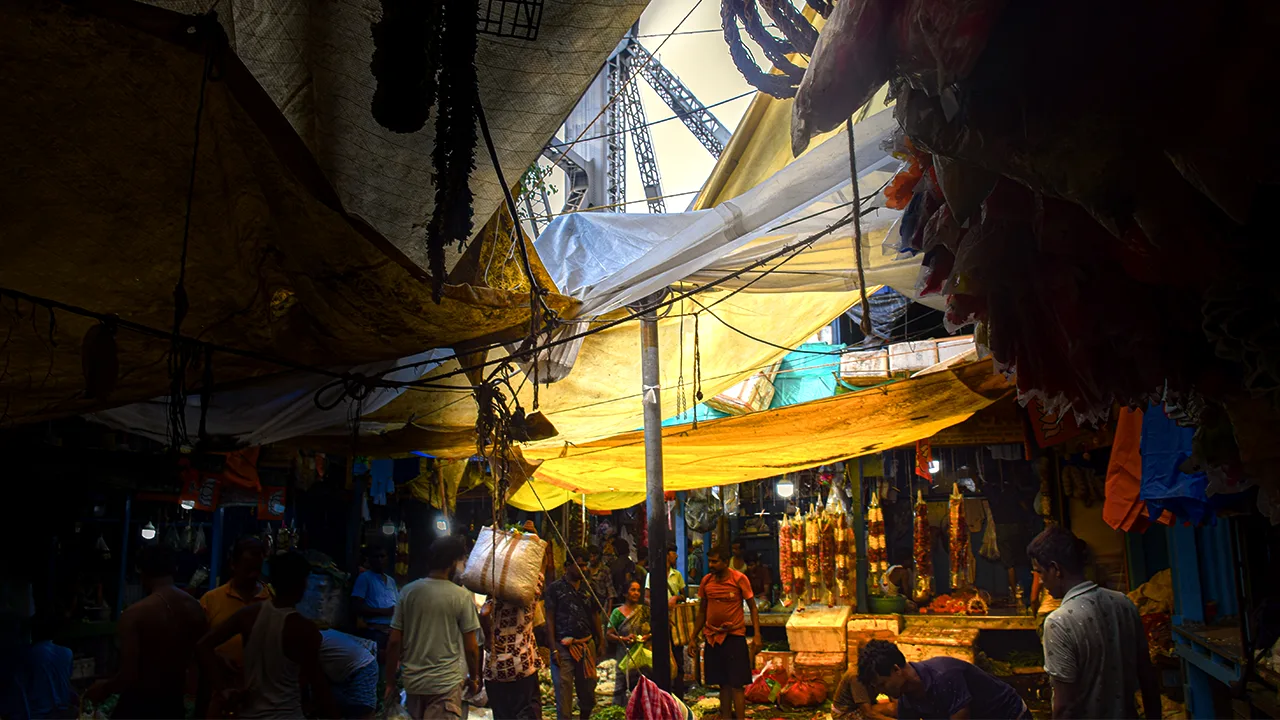
They appear in Mahendranath Dutta’s recollections of the old city and in Radhaprasad Gupta’s writings. Here a doi-wala, there a sabun-wala; a seller of conch bangles and vermilion, a tray of food, a tiny roadside stall, or someone carrying everyday necessities from neighbourhood to neighbourhood. A city alive with countless occupations, cries and forms of exchange. Kallolini Tilottama, the ever-flowing city.
Kolkata’s streets, markets,
neighbourhoods, and the “inside and outside” of its railway stations were never
without hawkers. At every turn in the making of this metropolis, they were
there. It is impossible to imagine the city without them.
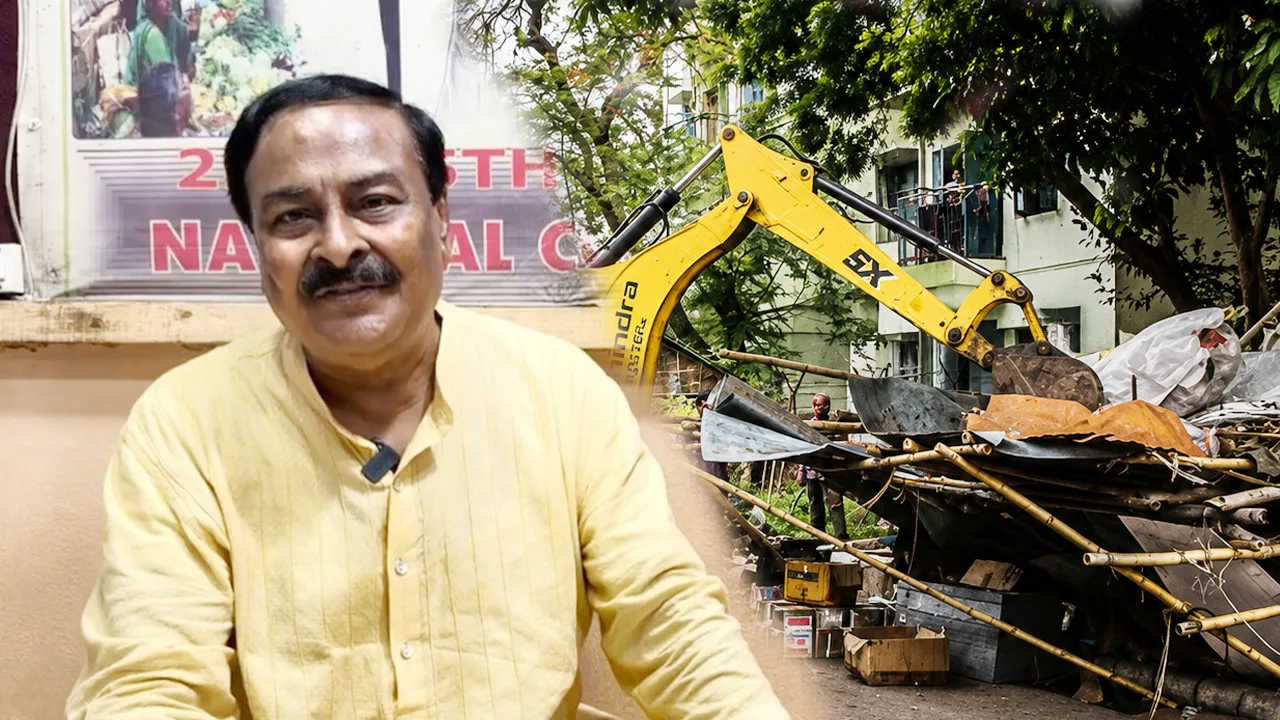
And yet, today they are called “illegal
encroachers”. Apparently, they are why pavements cannot be walked. So, in the
dead of night, bulldozers arrive. Stalls are demolished, the city made
“encroachment-free”, “clean” and “orderly” in the name of development.
But are development and hawkers natural
enemies? Are pavements and hawkers incompatible? Surely, they were never meant
to be.
In Hutom’s Kolkata, the streets belonged
to everyone: Brahmins, babus, mechunis, opium-eaters and beggars. The
street did not discriminate. It brought together buyers, sellers and
passers-by. The city does not discriminate; power does. It makes the rules,
declares what is legal or illegal, and sends bulldozers to erase whatever falls
outside them.
What happens to livelihoods, to
generations of shared urban life? What became of the law meant to protect
hawkers? Can their resistance find a political language?
Our special issue is about all these
questions.