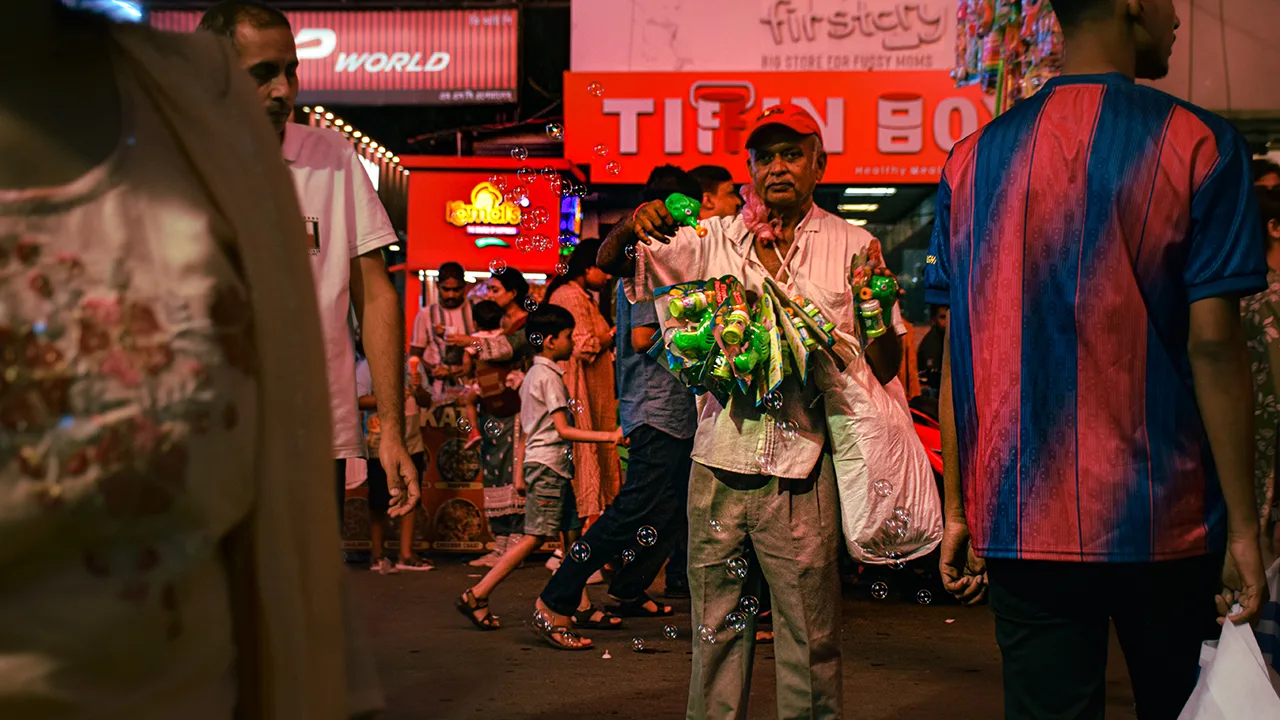

Hawker
Focus

Hawker

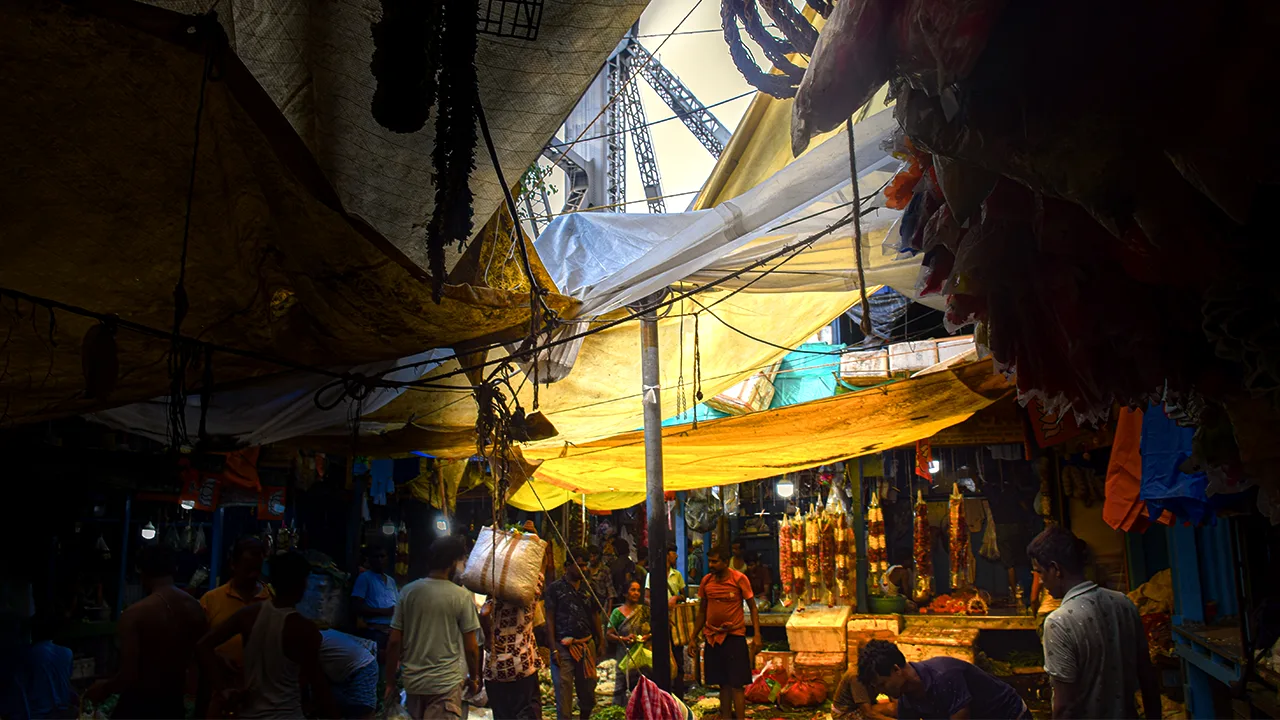
Hutom had seen them on the streets of Shobhabazar: women fish-sellers, the mechunis, carrying lamps at night as they sold salted hilsa. Spotting a customer, they would call out, “O gamcha-kandhe, bhalo mach nibi? O khengra gupo minse, chaar anaa dibi!” Would it really be wrong to call those mechunis of old Kolkata hawkers?

Read more
STORIES

Latest Stories

View all stories →
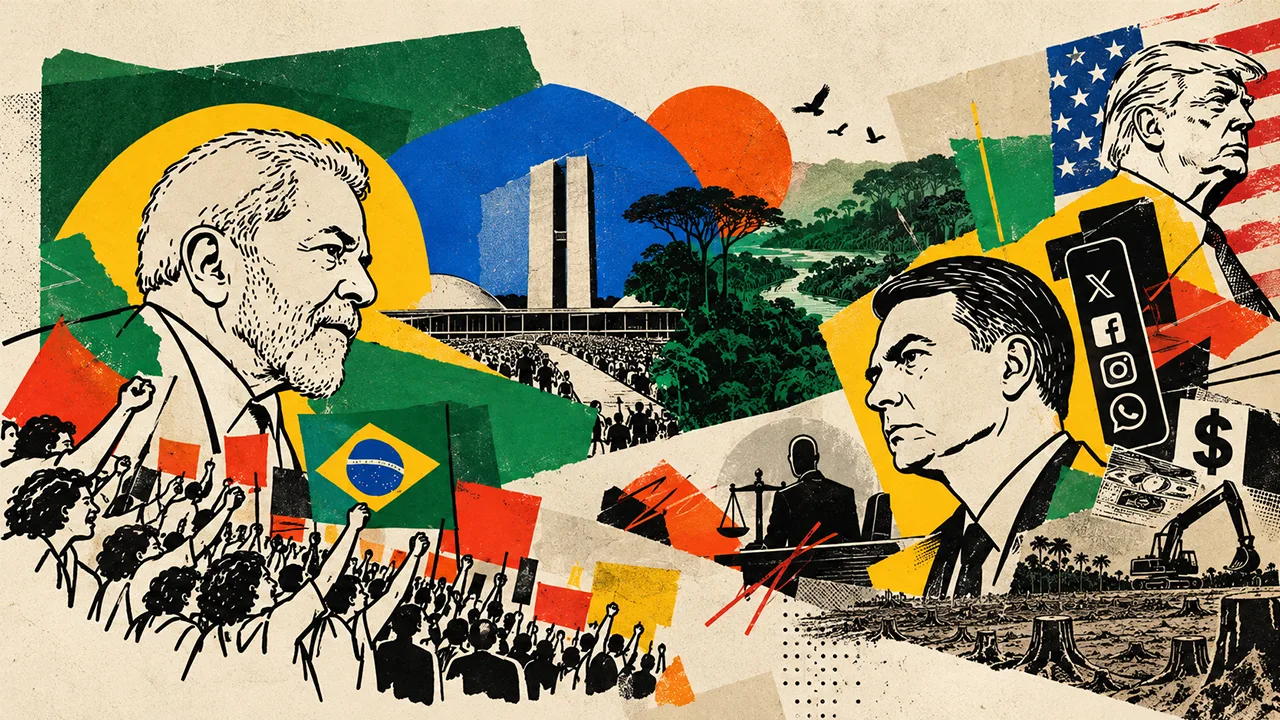
Brazil after Victory: Reflections on the Victory of the Brazilian People on 25 October
LATEST · 30 Oct 2026

Brazil after Victory: Reflections on the Victory of the Brazilian People on 25 October

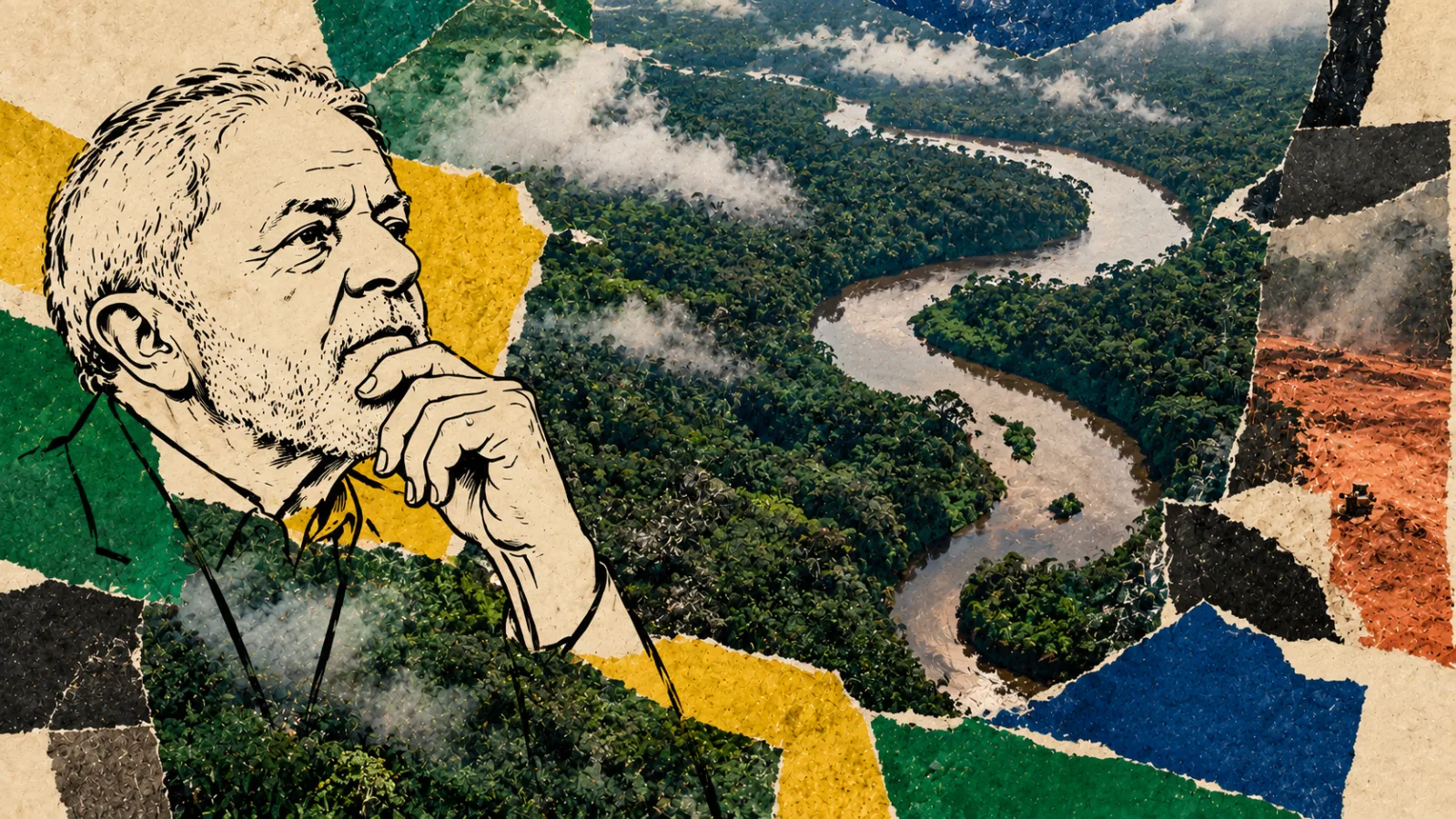
Writing the day after Lula’s victory, Winnie Overbeek reflects on the three weeks of mobilisation that transformed Brazil’s runoff election. Youth-led street protests, the rapid growth of the “Lula Army” on WhatsApp, alternative media investigations and renewed face-to-face political organising helped build a broad anti-Bolsonaro front. For Overbeek, the result revealed political energy extending beyond the Workers’ Party itself. The central question now is whether Lula will govern in response to that mobilisation or return to accommodation with Brazil’s elites.

Read full story →
The Jantar Mantar Movement:  A Victory of Anger, an Unfinished Politics: Part-2
18 Sep 2026

The Jantar Mantar Movement: A Victory of Anger, an Unfinished Politics: Part-2

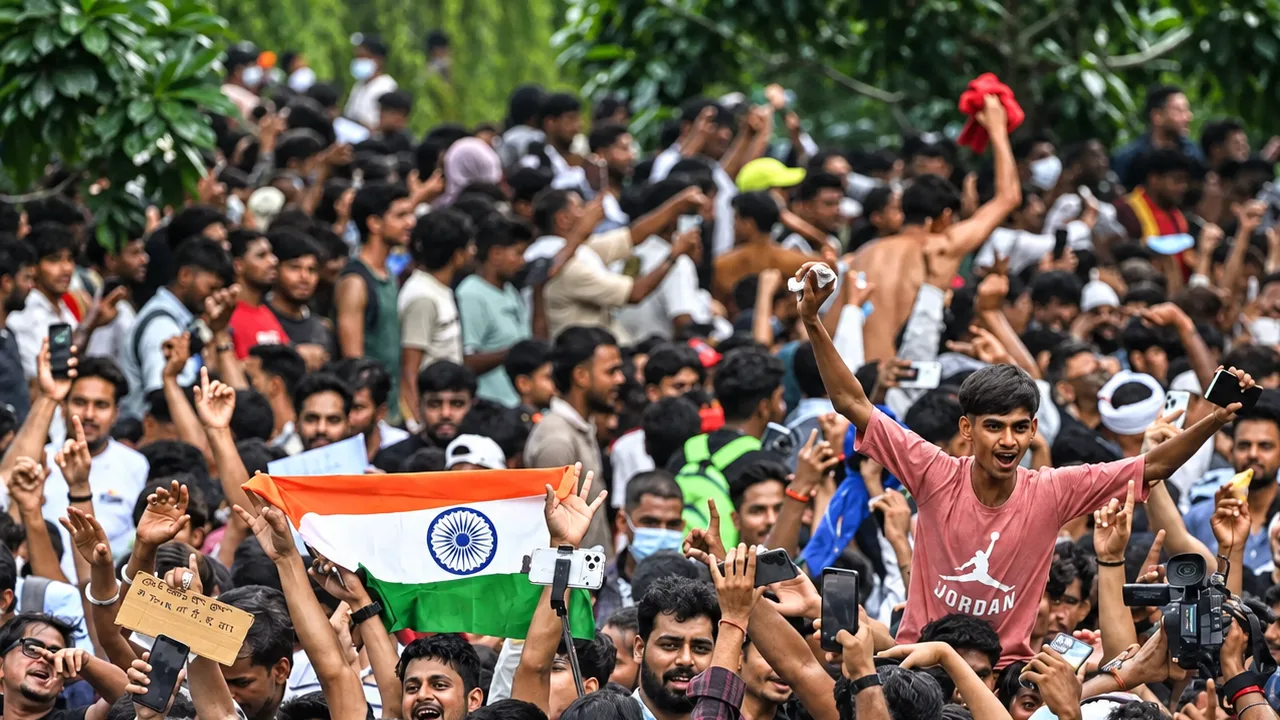
A demand for a transparent examination process should lead to a demand for equitable education, and to a larger question about a just society. Politics lies in moving from the rights of candidates writing an exam to the rights of general students, from the rights of students to the right to education to the larger question of social rights. Perhaps this is where the possibility of a movement centred on examination candidates becoming a broader youth movement emerges.

Who Does Belong? An Essay on the Idea, Contradictions and Struggle over Citizenship and Belonging in India: Part-2
18 Sep 2026

Who Does Belong? An Essay on the Idea, Contradictions and Struggle over Citizenship and Belonging in India: Part-2

Citizenship remains one of the most powerful legal institutions in the modern world. India's experience demonstrates that citizenship cannot be understood solely through legislation. The debates on the NRC, detention centres, the Rohingya, alleged push-backs and the CAA reveal not merely disagreements over policy, but also conflicting understandings of the constitutional republic itself. A democratic state indeed has the authority to regulate immigration, identify foreign nationals and secure its borders.

Fascism, Democracy and the Long Oppositional Struggle: Part-2
18 Sep 2026

Fascism, Democracy and the Long Oppositional Struggle: Part-2

Democracy has to become a habit. The politics of opposition must not merely say different things. It must learn to live differently. A politics of demands is necessary, but if every demand ends at the door of a benevolent state, people remain recipients. Because in the end, the strongest barricade against fascism is not another strong state; it is a strong, oppositional society.

Never Just About Rights: 20 years of The Forest Rights Act (FRA) : Part-2
17 Sep 2026

Never Just About Rights: 20 years of The Forest Rights Act (FRA) : Part-2

None of this is an argument against the Forest Rights Act. Quite the opposite. It remains, perhaps, the most democratic forest legislation independent India has enacted. Without it, millions of people would be far more vulnerable to eviction and administrative violence. It gave political and legal force to claims the forest bureaucracy had denied for generations and opened doors that had previously been closed.

Hyper-Nationalism, Neo-Fascism and the Destruction of Nature: Part-2
14 Sep 2026

Hyper-Nationalism, Neo-Fascism and the Destruction of Nature: Part-2

The ecological crisis, instead of simply being a crisis of nature, is a crisis of the social relations through which nature, labour and life are organised. The task is not merely to mitigate ecological destruction, but to transform the political and economic structures that produce it. This means challenging who owns land, controls energy, governs forests and minerals, determines development and bears its costs. Such a transformation cannot be achieved through institutional reform alone; it requires informed political struggle, too.

WATCH

Latest Videos

All videos →

Hawkers: Eviction । Resistance। Discourse - Part 1

Neha Bora Interview

Exclusive

Image Story

All posts →